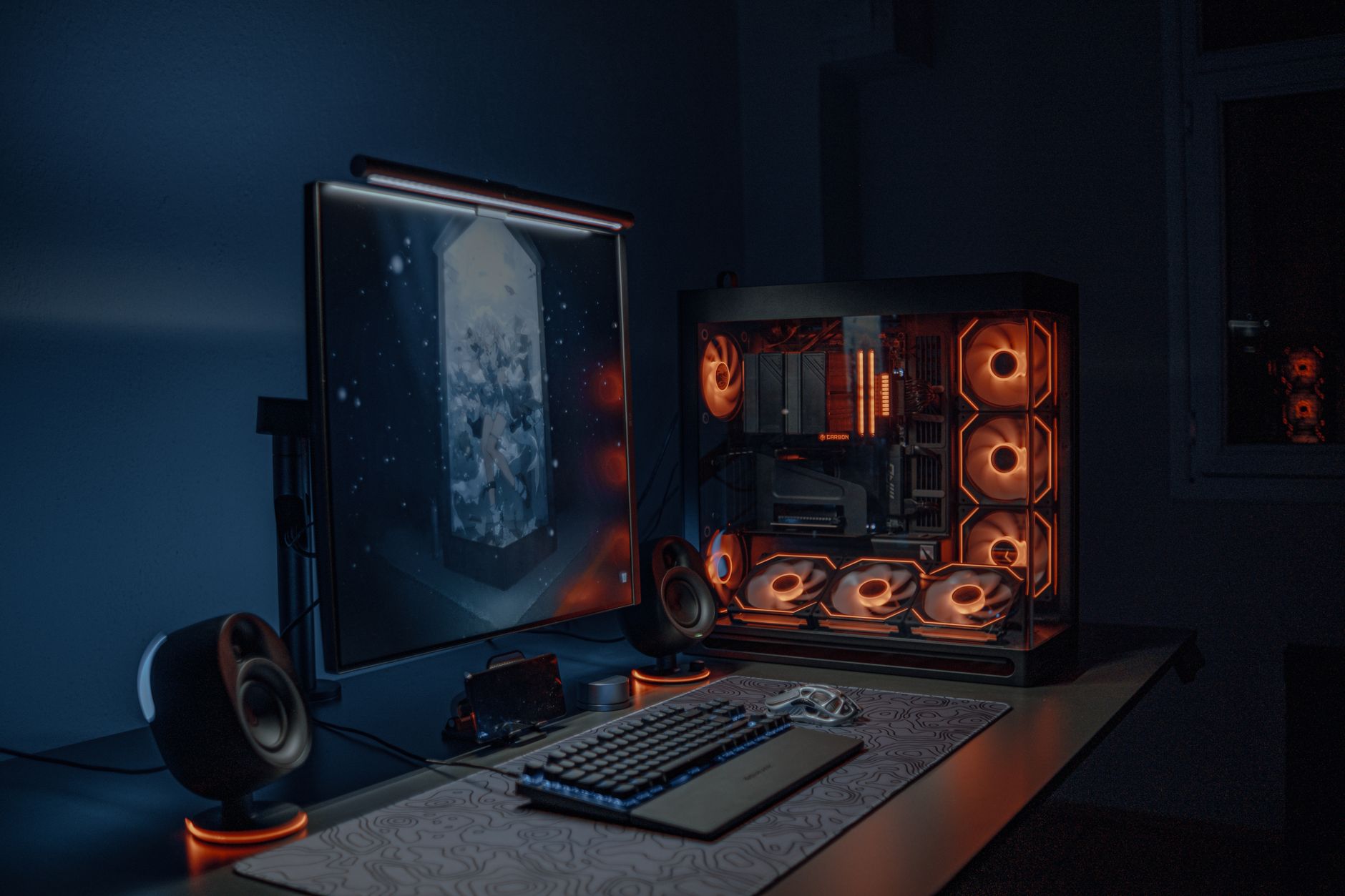

The cost to build a custom gaming PC varies significantly depending on your target resolution, component tier, and current market shifts. For an entry-level system, expect to spend anywhere from $700 to $1,000, while top-tier enthusiast machines can easily exceed $4,000.
Breaking Down Gaming PC Build Tiers
Planning a custom PC requires matching your hardware choices directly to your monitor capabilities and performance goals. Global computing demands, AI-driven supply shifts, and component price volatility mean that component budgeting demands careful strategy.
| Performance Tier | Estimated Cost | Target Resolution & Use Case |
|---|---|---|
| Entry-Level | $700 – $1,000 | 1080p gaming, light productivity |
| Mid-Range | $1,300 – $1,900 | 1440p gaming, streaming, content creation |
| High-End | $2,000 – $3,500+ | 4K gaming, maxed-out ray tracing, high refresh rates |
| Enthusiast Dream | $4,000 – $7,400+ | Maximum settings, path tracing, ultra-high frame rates |
For a basic do-it-yourself machine, plan on roughly $800 for an entry 1080p build, about $1,500 for solid 1440p, around $2,000 for high-refresh 1440p, and well past $4,000 at the absolute top end. However, builders must account for component price changes, as memory and storage costs fluctuate heavily.
The Impact of Market Shifts on Component Costs
Global computing demands centered on AI and data centers have directly impacted consumer PC building. RAM prices and solid-state drive costs have risen sharply, making older budget thresholds obsolete.
At a $500 budget, building a gaming PC with brand-new parts is no longer realistic. The steep price increases in memory and storage have effectively eliminated that tier. Builders working with tight constraints are better served upgrading existing hardware or saving toward a larger budget.
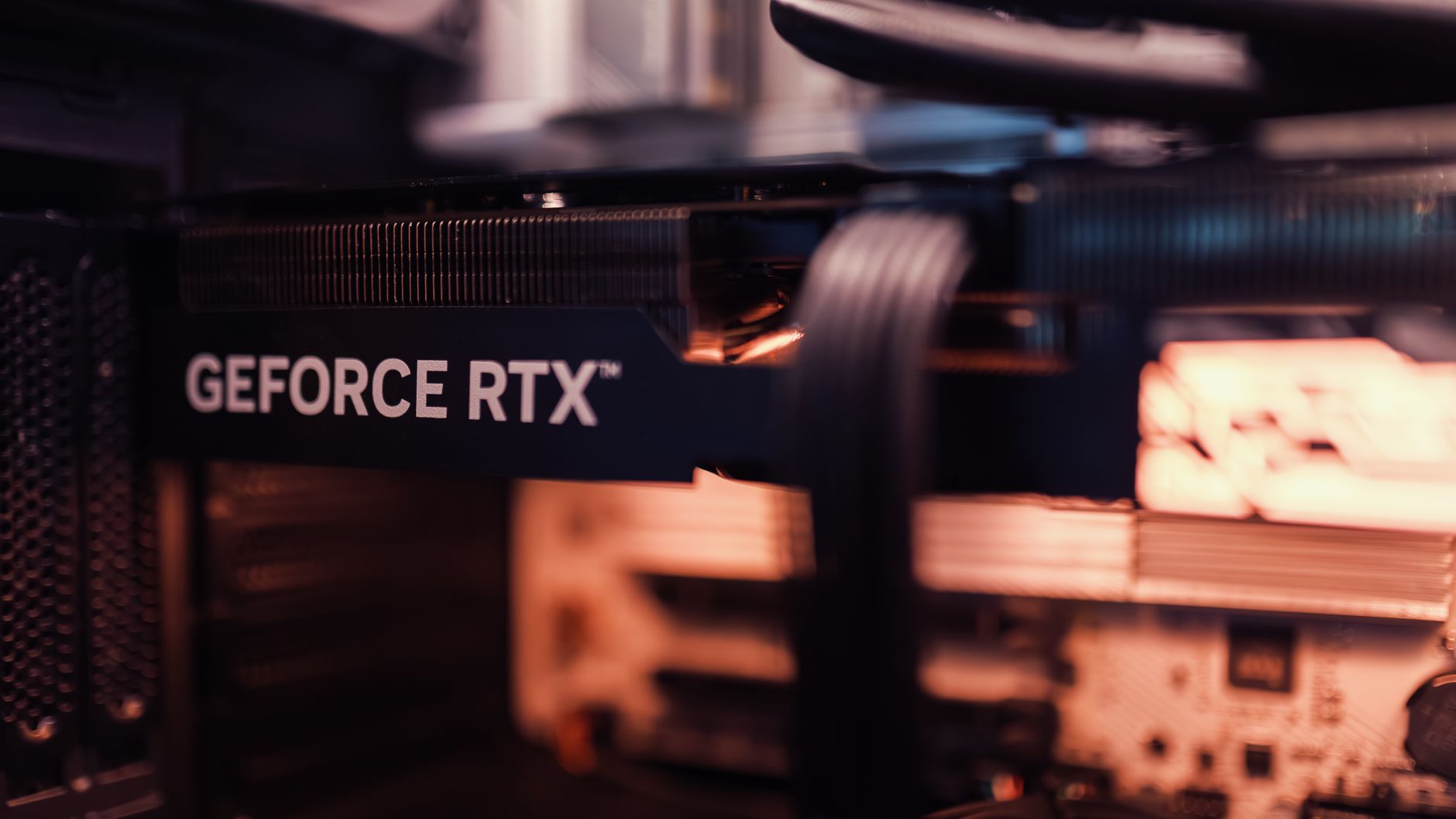
The GPU remains the most dominant cost factor in any build. Depending on the tier, aftermarket video cards and flagship chips like the AMD Radeon RX 9070 XT or top-tier NVIDIA cards can drive system totals up drastically. For example, high-end builds featuring enthusiast-class GPUs and expansive DDR5 memory can see total configurations inflate significantly over short periods.
How to Strategize Your Next Build
Smart system assembly is less about acquiring the most expensive hardware available and more about purchasing the right components for your specific display. Always let your monitor drive your hardware choices. If you game exclusively at 1080p on a high-refresh-rate monitor, invest your savings into display technology rather than over-allocating funds toward a costly 4K graphics card setup.
When selecting parts, prioritize fast DDR5 memory and a reliable PCIe Gen 4 NVMe SSD to ensure quick load times and smooth operation. Balancing your CPU tier with your GPU tier ensures you avoid unnecessary bottlenecks while optimizing your overall investment for the next generation of software and game releases.
<Frequently Asked Questions
Is $500 enough to build a new gaming PC?
No, a $500 budget is no longer sufficient for a new-parts gaming build due to sharply rising memory, storage, and component prices. At this price point, your realistic options are upgrading an existing system or saving up for a higher budget tier.
What is the most expensive component in a gaming PC build?
The graphics processing unit (GPU) remains the single most expensive component in a gaming PC build by a wide margin. Other high-cost variables include storage drives, memory (RAM), and specialized cooling systems.
Which build tier is best for 1440p gaming?
A mid-range build costing between $1,300 and $1,900 provides the ideal price-to-performance ratio for solid 1440p gaming, content creation, and streaming.
References & Sources
- The Ultimate Gaming PC Build 2026 Guide by Xidax
- Cost to Build a PC in 2026: Real Prices | Dave's Computers
- Best PC builds for gaming 2026: From $800 budget rigs to $4,000+ dream machines | Tom's Hardware
- Best Gaming PC Builds 2026: Budget vs High-End | Magic Micro
- CyberPowerPC Official Blog |
Editorial Note: This article was researched via verified live web sources and published on 2026-10-07. Questions or feedback? Contact the editorial staff at TrendsInNews.
Photo credit: Matheus Bertelli / Pexels