
As advanced automation transitions from industrial floors into public spaces and consumer markets, the establishment of formal robot guidelines has become an urgent priority for regulators and developers alike. Recent policy developments, such as the rollout of pioneering governance frameworks in major tech hubs, highlight a shift toward structured oversight for intelligent machines.
Understanding these evolving rules requires looking closely at both high-level regulatory mandates and the foundational engineering loops that govern how modern autonomous systems operate.
Emerging Governance: Shanghai’s Humanoid Robot Guidelines
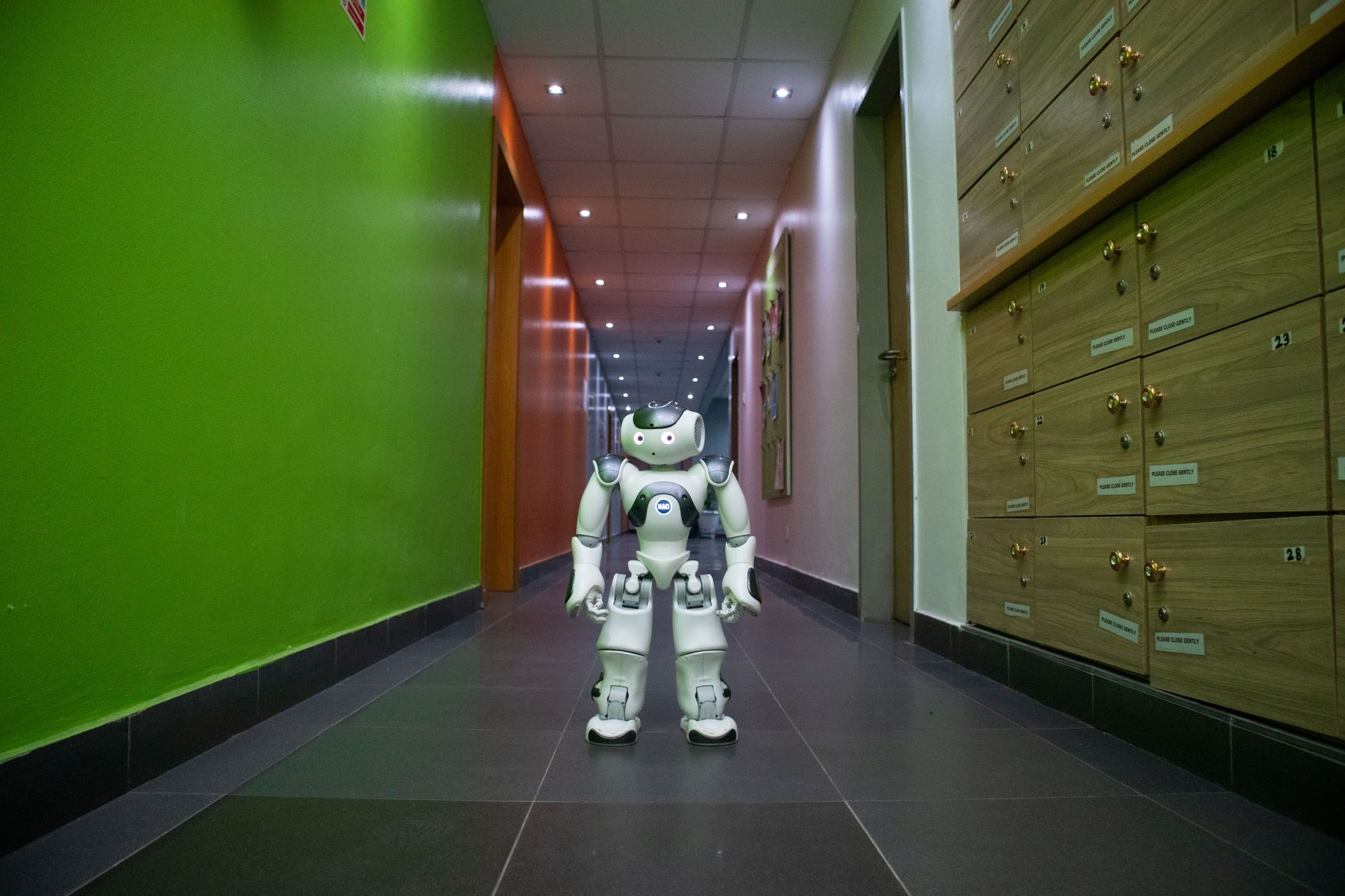
The landscape of robotics regulation reached a significant milestone when Shanghai published China's first formal governance guidelines for humanoid robots during the World Artificial Intelligence Conference (WAIC). As tech giants increasingly showcase advanced automatons, lawmakers are moving swiftly to establish guardrails that protect the public.
Under these new mandates, makers of humanoid robots must guarantee that their products do not threaten human security and actively safeguard human dignity. Compliance requires developers to institute robust risk-control measures:
- Establishing dedicated risk warning procedures to flag unexpected anomalies or failures in real-time.
- Implementing fail-safe emergency response systems capable of overriding autonomous operations immediately.
- Providing comprehensive user training to ensure the ethical and lawful deployment of machines in civilian or commercial spaces.
Driven by the Ministry of Industry and Information Technology (MIIT), these strategic frameworks aim to position humanoid robots as an important new engine of economic growth by 2027. The policy anticipates widespread popularization across critical sectors, including healthcare, home services, agriculture, and logistics.
Engineering Fundamentals: The Sensing-Computing-Acting Loop
While regulatory guidelines govern the ethical boundaries of robotics, technical guidelines dictate how a machine functions reliably in the physical world. At its core, any modern robot operates via a continuous sensing-computing-acting cycle. This foundational feedback loop is what enables a machine to perceive its surroundings and react accordingly.
| Loop Stage | Primary Function | Core Hardware Components |
|---|---|---|
| Sensing | Gathering environmental data and mapping surroundings. | AI-powered cameras, LiDAR, and proximity sensors. |
| Computing | Processing inputs to make autonomous navigation and manipulation decisions. | Onboard microcontrollers, central processors, and neural accelerators. |
| Acting | Executing physical tasks or moving through spaces. | Actuators, robotic arms, wheels, and mobile drive systems. |
Advanced perception systems—such as high-precision LiDAR and vision-based AI cameras—allow robots to achieve smarter mobility. When integrated with effective compute modules, these systems enable mobile manipulation, where a machine can simultaneously navigate a cluttered warehouse aisle, identify a specific item on a shelf, and retrieve it safely.
Historical Precedents and Conceptual Safety Standards
Discussions surrounding robot guidelines often reference long-standing conceptual frameworks established in science fiction and early engineering philosophy. While originally conceptualized as narrative devices, traditional safety paradigms like Asimov's Three Laws of Robotics have heavily influenced public expectations of artificial intelligence behavior:
- Protection of Human Life: A robot may not injure a human being or, through inaction, allow a human being to come to harm.
- Obedience to Authority: A robot must obey orders given by humans, provided those orders do not conflict with primary safety laws.
- Self-Preservation: A robot must protect its own existence, provided such protection aligns with safety and obedience priorities.
In modern practice, real-world deployment requires moving beyond conceptual models into legally binding requirements. Contemporary frameworks emphasize that human-robot work systems must meet strict professional safety standards, ensuring that accountability always remains with the human operators and manufacturers deploying the technology.
Frequently Asked Questions
What are the first official governance guidelines for humanoid robots in China?
Published in Shanghai during the World Artificial Intelligence Conference, these guidelines mandate that robot makers guarantee their products do not threaten human security and effectively safeguard human dignity. Manufacturers must also implement risk warning procedures, emergency response systems, and user training.
What is the primary operational cycle of a modern robot?
A robot continuously runs through a sensing-computing-acting feedback loop. This fundamental cycle allows the machine to react to its environment, such as a robotic arm picking up an object detected by a camera.
What is the projected timeline for humanoid robot commercialization in China?
According to the Ministry of Industry and Information Technology (MIIT), humanoid robots are expected to become an important new engine of economic growth by 2027. They are slated for popularization across industries including healthcare, home services, agriculture, and logistics.
References & Sources
- China's Laws of Robotics: Shanghai publishes first humanoid robot guidelines
- China's Laws of Robotics: Shanghai publishes first humanoid robot guidelines
- Robot 101: Your Ultimate Guide to Modern Robotics
- Three Laws of Robotics - Wikipedia
- Shanghai Deploys Drones to Broadcast COVID-19 Lockdown Guidelines - Business Insider
Editorial Note: This article was researched via verified live web sources and published on 2026-10-17. Questions or feedback? Contact the editorial staff at TrendsInNews.
Photo credit: Tope J. Asokere / Pexels