
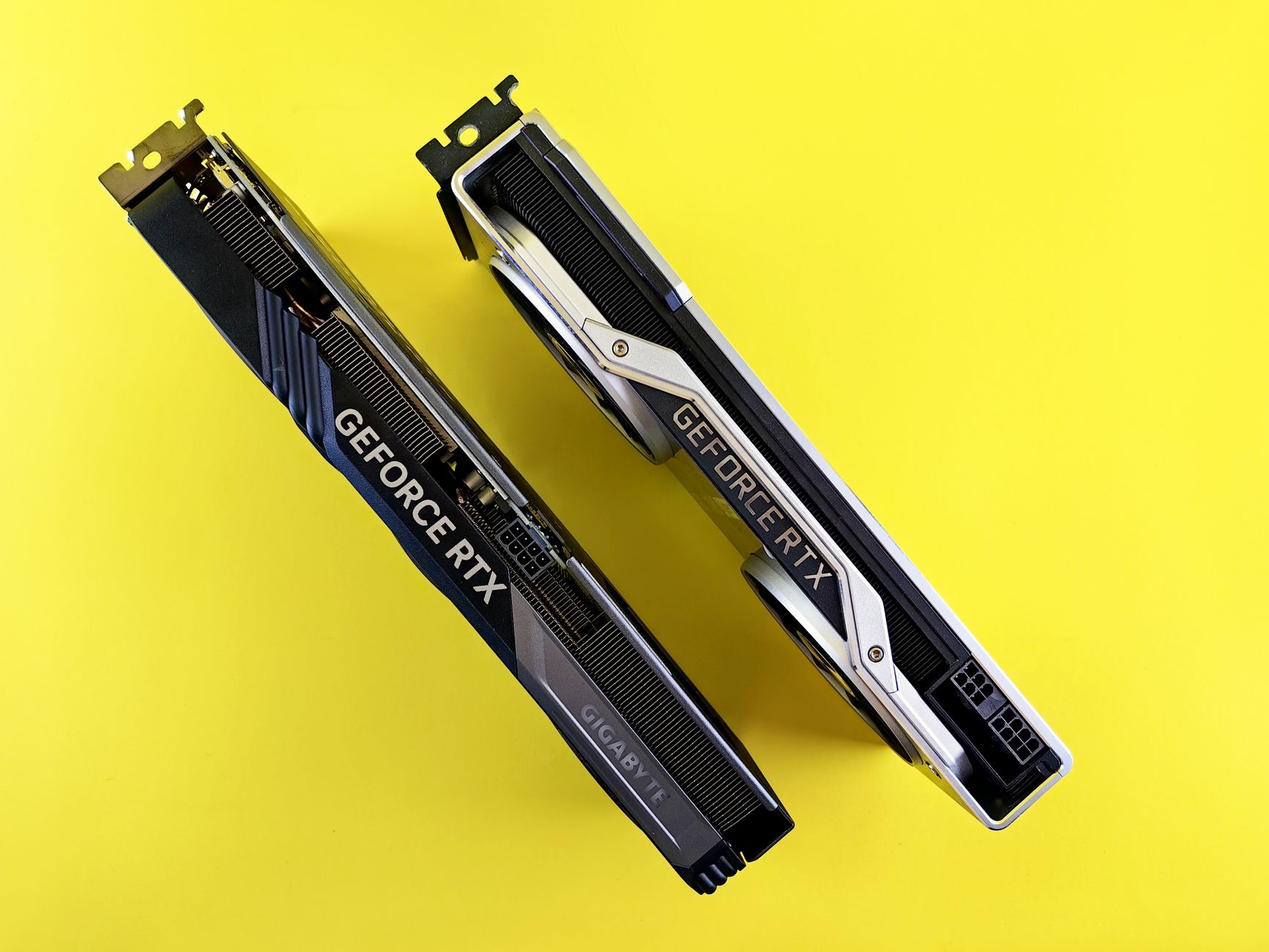

The Nvidia GeForce RTX 5070 is a mainstream 1440p graphics card built on the Blackwell architecture, offering a balanced mix of power efficiency and software-driven features for $549. However, its generational performance leap over previous hardware remains modest, trading blows closely with older mid-range cards in traditional workloads.
Architecture and Specifications Under the Hood
The RTX 5070 is powered by the GB205 GPU die manufactured on the TSMC 4N node. Unlike the larger AD104 die used in previous generation equivalents, the GB205 features up to 50 Streaming Multiprocessors (SMs) with 48 enabled on this specific card. This results in a smaller physical die size and a reduced transistor count compared to older high-end configurations.
Memory configuration is another focal point of the hardware stack. The card features 12 GB of GDDR7 memory operating across a 192-bit memory bus. This setup achieves a total bandwidth of 672 GB/s, keeping pace with intensive game engines, high-resolution texture streaming, and localized AI operations. Below is a breakdown of the core specifications:
| Specification | GeForce RTX 5070 |
|---|---|
| Architecture | Blackwell (GB205) |
| Shading Units (CUDA Cores) | 6,144 |
| Tensor Cores | 192 |
| RT Cores | 48 |
| Memory Capacity & Type | 12 GB GDDR7 |
| Memory Bus Width | 192-bit |
| Memory Bandwidth | 672 GB/s |
| Boost Clock | 2.51 GHz |
| MSRP | $549 |
Gaming Performance: 1440p Dominance vs. Generational Stagnation
When evaluated as a dedicated 1440p gaming solution, the RTX 5070 delivers smooth framerates. In standard benchmark suites, the card easily pushes past 100 fps in numerous modern titles with maximum graphical settings enabled. Even in demanding scenarios involving hardware ray tracing, it comfortably clears the 60 fps threshold.
Despite these respectable figures, independent reviews highlight a notable generational bottleneck. Across a broad 16-game testing suite at 1440p, the RTX 5070 averages only marginal gains—roughly 1% to 5% faster than the older RTX 4070 Super. For users upgrading from an RTX 3070 or older architecture, the performance uplift is substantial. However, owners of the previous generation will find that raw rasterization performance offers little incentive to switch.
Software Ecosystem and Professional Workloads
Because raw hardware jumps are modest, the value proposition of the RTX 5070 relies heavily on software optimizations and architecture-specific features. The inclusion of advanced upscaling and frame generation technologies—such as DLSS 4 with Multi-Frame Generation—unlocks new tiers of visual fluidity across supported game libraries.
Beyond gaming, the card handles professional workflows efficiently. The 192-bit bus and 12 GB GDDR7 configuration provide the necessary throughput for 3D rendering tasks, video encoding, and intermediate AI development workloads. However, industry analysts note that a 16 GB memory buffer would have provided better long-term headroom for extreme resolutions and future game engines.
Frequently Asked Questions
How much does the Nvidia GeForce RTX 5070 cost?
The Nvidia GeForce RTX 5070 has a base MSRP of $549, taking over the price bracket of the previous-generation RTX 40-series cards. However, actual retail availability and street pricing may vary depending on partner boards and market demand.
How does the RTX 5070 perform compared to the RTX 4070 Super?
Across standard 1440p game testing, the RTX 5070 performs very similarly to the RTX 4070 Super, averaging marginal gains of around 1% to 5% in traditional rasterized titles.
What are the key memory specifications of the RTX 5070?
The RTX 5070 features 12 GB of GDDR7 memory operating on a 192-bit bus, delivering a memory bandwidth of 672 GB/s to handle modern game textures and AI processing tasks.
References & Sources
- GeForce RTX 5070 Review Megathread : r/nvidia
- Nvidia GeForce RTX 5070 review: $549 price and performance look decent on paper | Tom's Hardware
- Nvidia GeForce RTX 5070 Review | TechSpot
- NVIDIA is Selling Lies | RTX 5070 Founders Edition Review & Benchmarks | GamersNexus
- The Big RTX 5070 Problem - My Review and Benchmarks
Editorial Note: This article was researched via verified live web sources and published on 2026-11-22. Questions or feedback? Contact the editorial staff at TrendsInNews.
Photo credit: Andrey Matveev / Pexels