
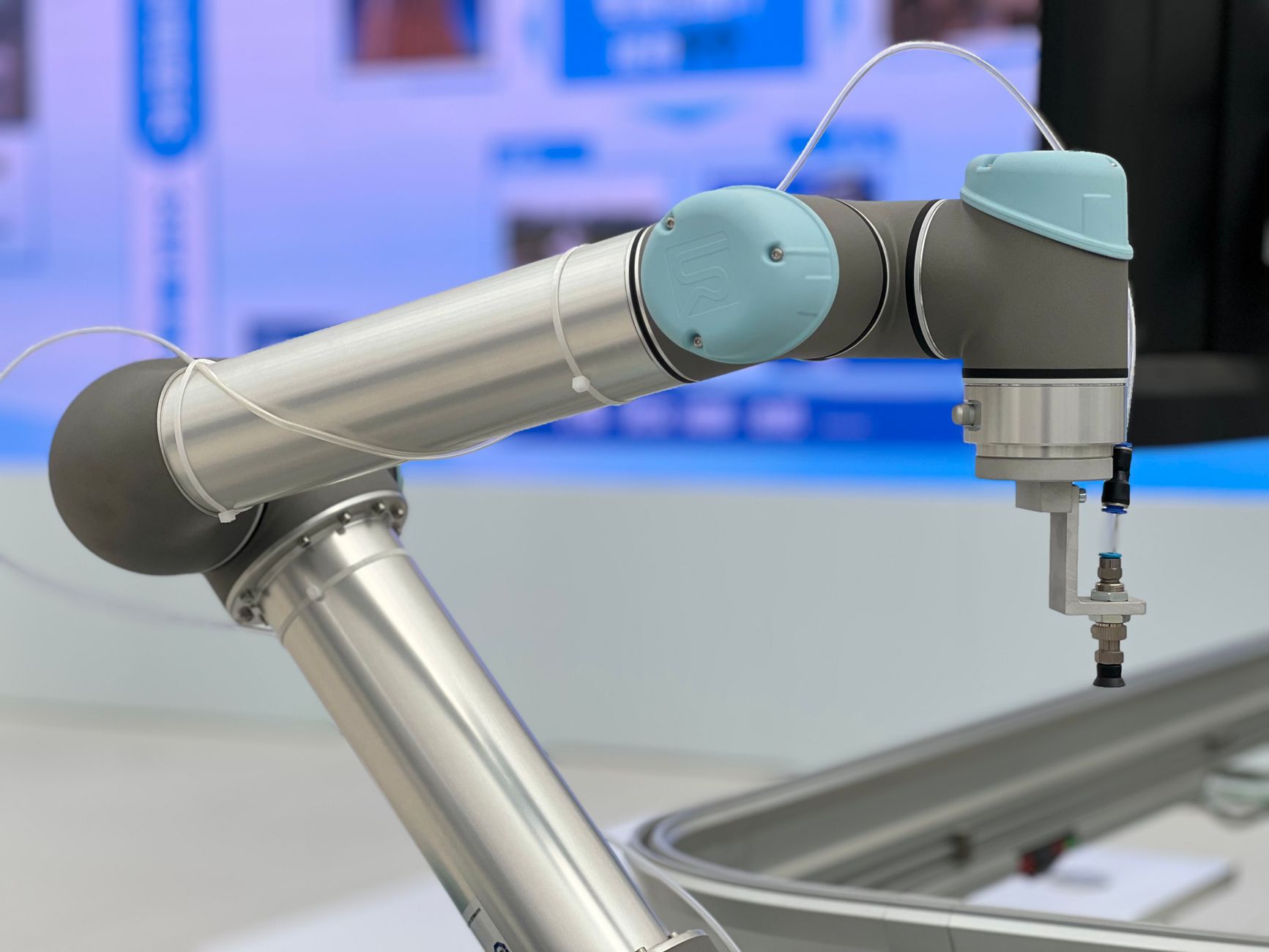

AI-driven robotics combines artificial intelligence and physical automation to enable machines to perform complex tasks efficiently and autonomously. By integrating advanced software with hardware sensors, modern systems can perceive, navigate, and dynamically adapt to their operational environments.
The Evolution from Static Automation to Smart Factories
Traditional industrial automation relied heavily on rigid, fixed processes. Factories required extensive manual programming to execute repetitive tasks, making adjustments for new product designs time-consuming and expensive. Today, the integration of artificial intelligence and robotics is replacing these static workflows with smart factory infrastructure.
Smart factories leverage interconnected machines, real-time analytics, and IoT sensors to dynamically alter production schedules. Instead of executing blind repetitions, AI-powered systems can handle:
- Predictive maintenance to prevent unexpected hardware downtime.
- Autonomous quality control that identifies defects instantly on the line.
- Dynamic adaptation to shifting product designs and varying production requirements.
According to McKinsey research cited by industry analysts, AI-powered automation could boost global productivity by up to 1.4% annually, with sectors like manufacturing, healthcare, and logistics experiencing the most significant transformations.
Overcoming Workforce Shortages with Autonomous Programming
One of the most persistent bottlenecks in industrial settings has been the reliance on manual labor for tedious, physically demanding, and hazardous jobs. Traditional surface finishing operations—such as grinding, sanding, painting, and polishing—traditionally struggled with consistent output quality due to a severe lack of skilled human capital.
Innovative software solutions are actively neutralizing this challenge. For instance, GrayMatter Robotics’ AI-driven software empowers robots to program themselves, removing the need for complex manual coding. By pairing commercially available sensors and tools with proprietary AI technologies, these turnkey solutions allow systems to adapt seamlessly to diverse mixes of components.
Industrial giants such as 3M, FANUC America, and Patrick Industries have integrated these automation frameworks to protect workers from harsh environments while maintaining high production standards. This approach directly mitigates recruitment gaps, particularly in post-pandemic markets where labor supply has lagged behind consumer demand.
Cross-Industry Applications: From Logistics to Pharma
While the manufacturing sector represents a major focal point for capital investment, the utility of AI-driven robotics spans multiple industries. Modern strategies prioritize flexible automation across a diverse operational landscape.
| Sector | Primary Application | Key Benefit |
|---|---|---|
| Automotive & Electronics | Precision assembly, high-skill production | Enhanced accuracy and output quality |
| Pharmaceuticals | Controlled environment handling, sorting | Strict regulatory compliance and safety |
| Logistics & Warehousing | Intralogistics, supply chain movement | High-speed processing and resilient fulfillment |
| Service Sector | Hospitality, restaurant kitchen assistance | Mitigating severe service-worker shortages |
In logistics and warehousing—widely cited as the leading domain for adoption due to controlled environments and high demand—autonomous systems maintain supply chain resilience. Meanwhile, the service sector relies on advanced human-robot interaction models to enable natural communication, increasing the usability and personalization of automated assistants.
Future Outlook
The convergence of artificial intelligence and physical machinery marks a fundamental shift in how industries build, sort, and deliver goods. As educational institutions update technical training programs to include hands-on robotics and automation labs, the workforce is shifting toward hybrid models. By letting AI handle data processing, environmental perception, and complex path planning, human operators can focus on supervision, innovation, and strategic oversight.
Frequently Asked Questions
What is the main difference between traditional robotics and AI-driven robotics?
Traditional robotics rely on fixed, manual programming to repeat identical, high-volume tasks. In contrast, AI-driven robotics use artificial intelligence to perceive their environment, learn from experience, adapt to dynamic production changes, and program themselves automatically.
Which industries are adopting AI and robotics the fastest?
Manufacturing, logistics, and warehousing are leading the adoption of AI-driven robotics. Key sectors within manufacturing include automotive, electronics, and pharmaceuticals, while the service sector increasingly utilizes these technologies to mitigate workforce shortages.
How does AI software improve manufacturing workflows?
AI software enables machines to handle complex surface finishing tasks like grinding, sanding, and painting. It eliminates intricate manual coding, supports predictive maintenance, allows for autonomous quality control, and helps address skilled labor shortages.
References & Sources
- Robotics And AI-Driven Automation | ITI Technical College
- AI and Robotics: How AI Is Transforming Robotics | Encord
- GrayMatter Robotics Leads the Charge in AI-Powered Automation | AI innovators | CryptoRank.io
- AI In Robotics - New Position Paper - International Federation of Robotics
- AI, Robotics, and Automation: Transforming the Future of Work in Aerospace and Defense
Editorial Note: This article was researched via verified live web sources and published on 2026-10-12. Questions or feedback? Contact the editorial staff at TrendsInNews.
Photo credit: KJ Brix / Pexels