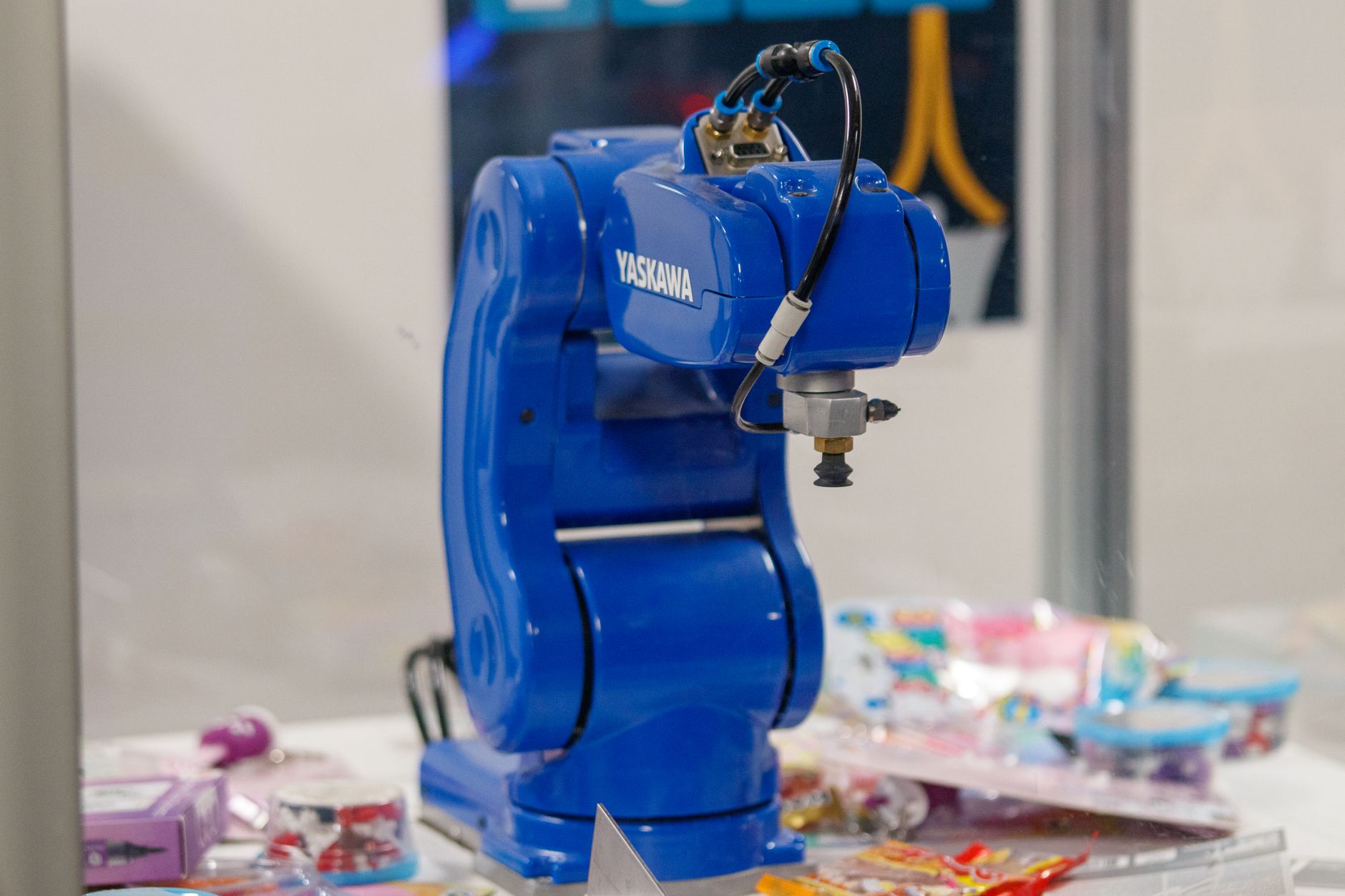
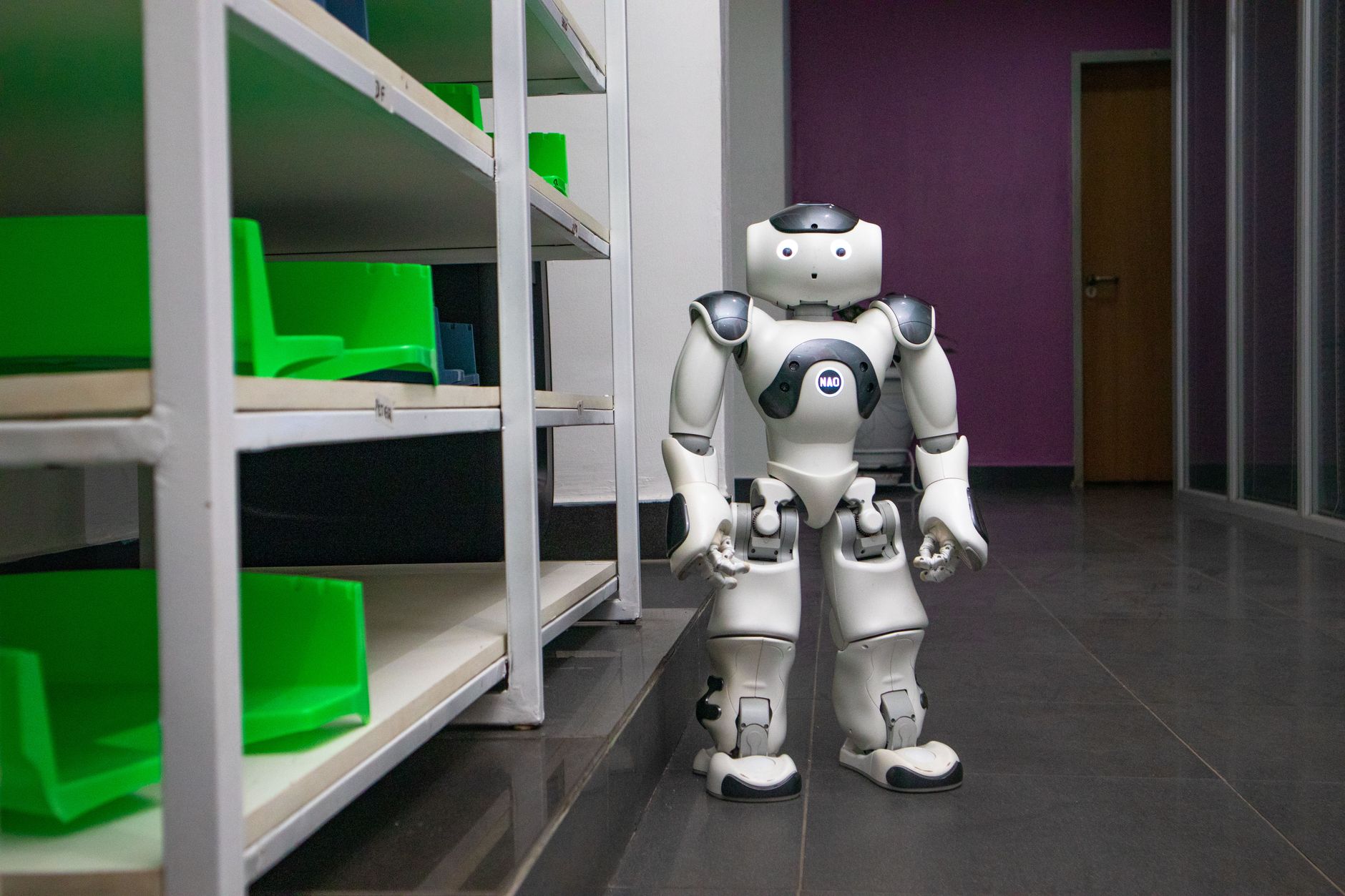

Modern manufacturing and advanced industries rely heavily on specialized robotics automation training to prepare technicians, engineers, and operators for complex production environments. Programs range from foundational technician certifications to advanced, vendor-specific operational courses.
Educational institutions and industrial leaders offer targeted curriculums designed to address the skills gap in automated manufacturing, logistics, and maintenance settings. Trainees learn to install, program, troubleshoot, and maintain computer-driven automated equipment using industry-standard tools.
Core Curriculum and Foundational Technician Programs
Entry-level and comprehensive programs—such as the Robotics & Automation Technician program offered by Universal Technical Institute (UTI) and certificate pathways from organizations like MassMakes—focus on building a strong baseline of technical knowledge. These curriculums prepare students for roles like robotics technician, maintenance technician, and control systems technician.
Students in these programs study applied physics, practical math, and manufacturing systems technology. Coursework moves quickly from foundational programming and industrial networking to electrical and mechanical system maintenance. Trainees learn to use electrical instruments, read schematic diagrams, and apply safe work habits for troubleshooting and repairing automated equipment.
Advanced Programming and Vendor-Specific Training
For professionals already working in industrial settings, advanced training targets specific robotic brands and high-productivity applications. For instance, Lincoln Electric Automation provides robotic programming and advanced training courses tailored for systems utilizing FANUC and ABB robots.
These intensive programs are typically conducted on a combination lecture-laboratory basis, requiring participants to work in teams on physical hardware. Trainees gain expertise in specialized operations, such as automated arc welding, system optimization, and advanced task execution designed to maximize manufacturing quality and output.
Integration of Modern Frameworks and Digital Twins
As smart manufacturing evolves, training programs increasingly incorporate modern software architectures. Specialized courses—such as NobleProg's Industrial Robotics Automation training—focus on bridging traditional industrial automation with open-source frameworks.
Intermediate-level engineers learn to integrate Robot Operating System (ROS) based robotic systems with Programmable Logic Controllers (PLCs) to achieve synchronized operations. Additionally, participants explore digital twin environments to simulate, monitor, and optimize production processes using real-time control and predictive analysis.
Comparison of Training Focus Areas
| Training Focus | Target Audience | Key Technologies Covered |
|---|---|---|
| Foundational Technician | Aspiring technicians and entry-level students | Electrical systems, mechanical devices, PLCs, industrial networking, 3D printing |
| Advanced Vendor Programming | Operators, engineers, and programmers | FANUC and ABB industrial robots, automated welding systems, application optimization |
| Modern Framework Integration | Intermediate engineers and technical professionals | ROS-PLC integration, digital twins, real-time control, predictive analysis |
Choosing the right program depends heavily on an individual's current experience level and career goals. Whether entering the workforce through a foundational certification or upgrading engineering skills with advanced software integration, structured training remains essential for success in modern automated industries.
Frequently Asked Questions
What skills are taught in a robotics automation technician program?
Programs typically cover computer technology, electrical systems, robotic programming, industrial networking, mechanics, and the use of programmable logic controllers (PLCs). Students also gain practical experience in troubleshooting and preventive maintenance.
Who are targeted by advanced robotic programming courses like those from Lincoln Electric?
These intensive courses are designed for operators, technicians, engineers, and programmers who need to maximize productivity and quality using specialized robotic systems, such as FANUC or ABB robots. Attendees often benefit from prior experience in welding, electrical systems, or CNC processing.
What is the focus of specialized courses like NobleProg's Industrial Robotics Automation training?
This training focuses on bridging industrial automation with modern robotics frameworks by teaching participants how to integrate ROS-based robotic systems with PLCs and utilize digital twin environments for production optimization.
References & Sources
- Robotics & Automation Courses | Robotics Training Programs | UTI
- Industrial Robotics Automation: ROS-PLC Integration & Digital Twins Training Course
- Robotics and Automation Technician Training School
- Automation Training | Lincoln Electric
- Robotics Technician Training: Certificate Program for Automation and Manufacturing | MassMakes
Editorial Note: This article was researched via verified live web sources and published on 2026-10-31. Questions or feedback? Contact the editorial staff at TrendsInNews.
Photo credit: Tope J. Asokere / Pexels