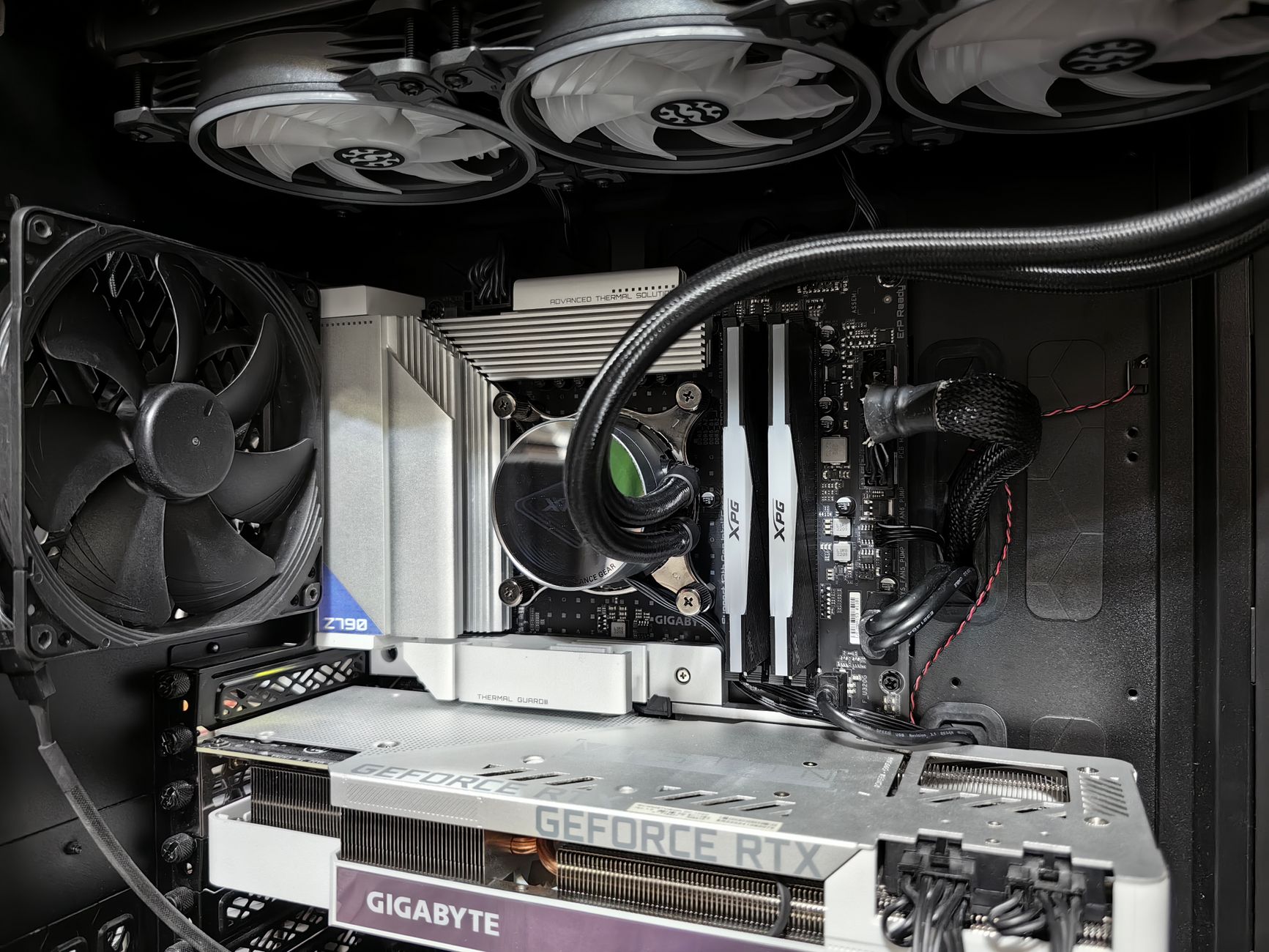


Building a private artificial intelligence stack requires navigating a complex web of dependencies, hardware configurations, and security considerations. Insights pulled directly from active discussions on the r/LocalLLaMA community shed light on best practices for architecting, containerizing, and securing a robust local infrastructure.
Containerization and Dependency Management
Managing a local artificial intelligence environment often breaks down when updating native software packages. Setting up inference engines and frontends directly on a host operating system frequently leads to broken environments due to conflicting library versions across Python, Node.js, Rust, or Go.
To bypass this friction, community members emphasize container runtimes like Docker for deployment. While containerization involves an initial configuration step, it drastically simplifies long-term maintenance and upgrades. Furthermore, hardware acceleration is well-supported inside containers; both Nvidia and AMD offer robust support for container runtimes through native plugins for the underlying container engine, ensuring your graphics hardware operates at peak efficiency without host-level dependency headaches.
Securing Your Local Environment
A common misconception is that software running exclusively on local hardware does not require strict security measures. However, browser-based frontends and local APIs can expose endpoints to malicious web scripts if left unconfigured.
To mitigate these vulnerabilities, the community outlines several essential hardening steps:
- API Key Access: It is strongly recommended to setup API key-based access even on locally running backends such as
llama.cpporvllm. - CORS Configuration: Proper Cross-Origin Resource Sharing settings prevent unauthorized websites from interacting with your local instance.
- Reverse Proxies: Deploying a reverse proxy like Nginx helps filter and block unwanted cross-origin requests.
Enabling Agentic Workflows with Private Search
Modern local workflows often demand agentic capabilities that require live web access. Connecting an open-source model to the broader internet securely requires self-hosted alternatives to commercial APIs.
The standard recommendation for private data retrieval is SearXNG. It connects cleanly out of the box with leading frontend interfaces like Open WebUI and LibreChat. Because it runs seamlessly inside a container, maintenance remains straightforward. While the raw output quality may occasionally trail behind paid proprietary search engines, it provides a free and relatively private search mechanism. Proper configuration is critical to ensure data is not inadvertently leaked to third parties during queries.
Hardware Considerations and Compliance
Deciding whether to invest in a high-end local setup depends heavily on your specific constraints. High-end private hardware configurations become truly necessary when legal or contractual obligations forbid routing sensitive data through cloud-based alternatives.
| Component / Tool | Primary Purpose | Community Recommendation |
|---|---|---|
| Container Runtime | Portability & Upgrades | Docker (with Nvidia/AMD plugins) |
| Inference Backend | Model Serving | llama.cpp or vllm (with API keys enabled) |
| Search Integration | Private Web Retrieval | SearXNG |
| Frontend Interfaces | User Interaction | Open WebUI or LibreChat |
By leveraging containerized runtimes, enforcing rigid API security, and integrating private tools like SearXNG, you can build a resilient, secure, and future-proof local infrastructure tailored to your exact operational requirements.
Frequently Asked Questions
Why do Reddit communities recommend using containers for local LLMs?
Container runtimes like Docker simplify upgrades and eliminate the headache of troubleshooting conflicting Python, Node.js, Rust, or Go dependencies across your system. They also provide straightforward portability for your entire local AI stack.
How can I secure a locally running LLM against unauthorized access?
Community members strongly recommend implementing API key-based access for backends like llama.cpp or vllm, configuring proper Cross-Origin Resource Sharing (CORS) rules, or deploying a reverse proxy like Nginx to block malicious cross-origin requests.
What is recommended for private web searches in an agentic local LLM setup?
SearXNG is widely recommended as a free, containerized search solution that connects smoothly out of the box with popular frontends such as Open WebUI and LibreChat while protecting your data privacy.
References & Sources
- Getting most out of your local LLM setup : r/LocalLLaMA
- What's your current local LLM setup in 2026? : r/LocalLLaMA
- What is the best local llm setup? : r/LocalLLaMA
- Is a high-end private local LLM setup worth it?
- Reddit - Prove your humanity
Editorial Note: This article was researched via verified live web sources and published on 2026-11-17. Questions or feedback? Contact the editorial staff at TrendsInNews.
Photo credit: Alfin Auzikri / Pexels