
Deciding whether to build or buy a gaming PC depends on your current market conditions, technical comfort level, and how you value your personal time. While building a custom rig used to be the undisputed way to save money, shifting component costs and bulk-purchasing economics have significantly changed the landscape.
The Financial Equation: DIY vs. Prebuilt Costs
Historically, building your own PC was the most cost-effective option because it allowed buyers to bypass the premium fees charged by system builders. Sourcing individual parts also meant shopping around for bundle deals, sales, and components with the absolute best price-to-performance ratio.
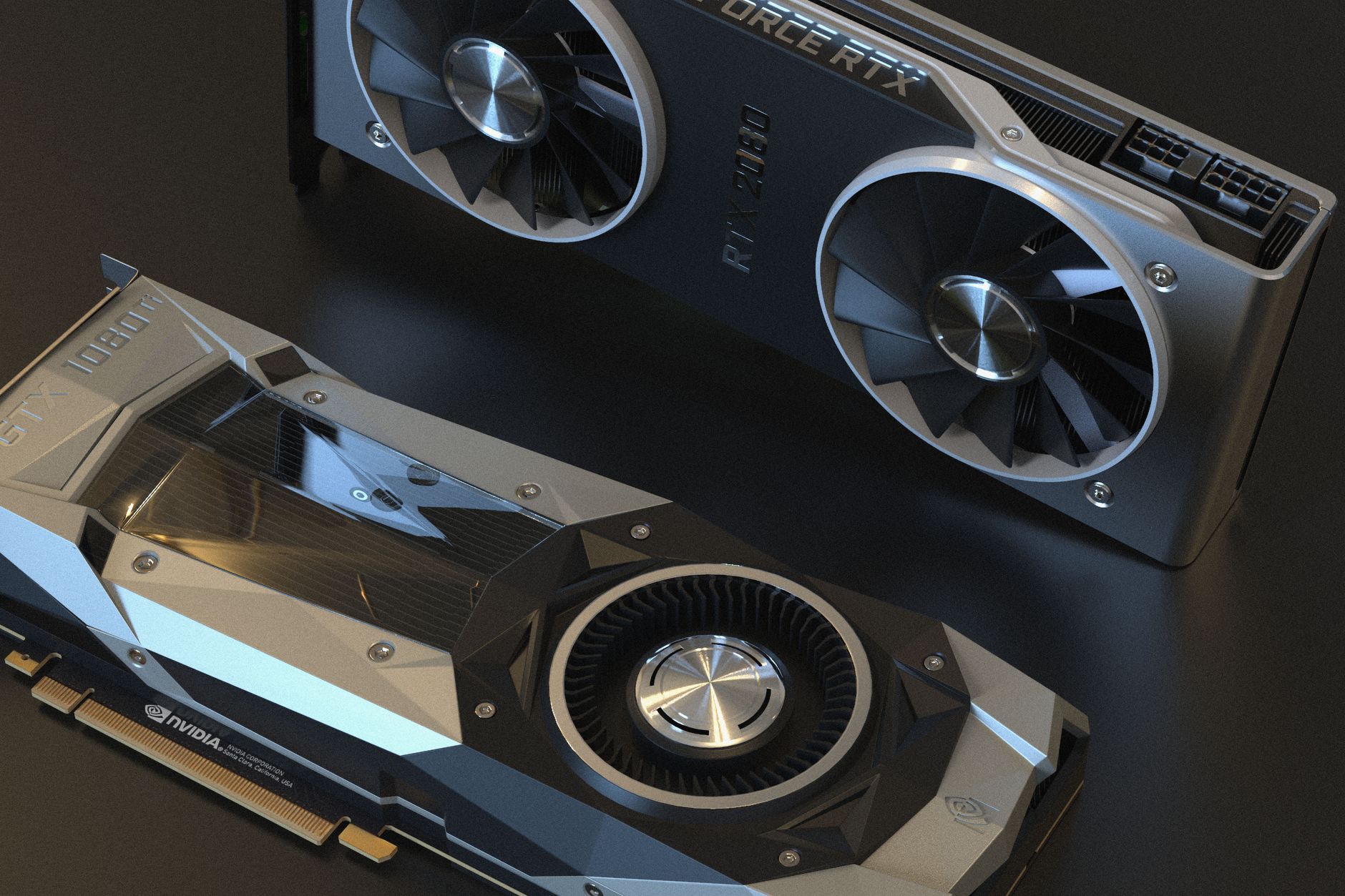
However, modern market shifts tell a different story. System builders buy components like graphics cards, processors, RAM, and motherboards by the pallet—sometimes ordering 1,000 GPUs at a time. This massive purchasing power translates to reduced baseline component costs that individual shoppers cannot easily match.
Furthermore, industry-wide memory and storage shortages have narrowed the financial gap between custom builds and prebuilts. In many cases, configuring a mid-range DIY system component-by-component can end up costing nearly as much as a higher-end prebuilt system from an OEM or boutique builder.
Weighing Component Control and Upgradability
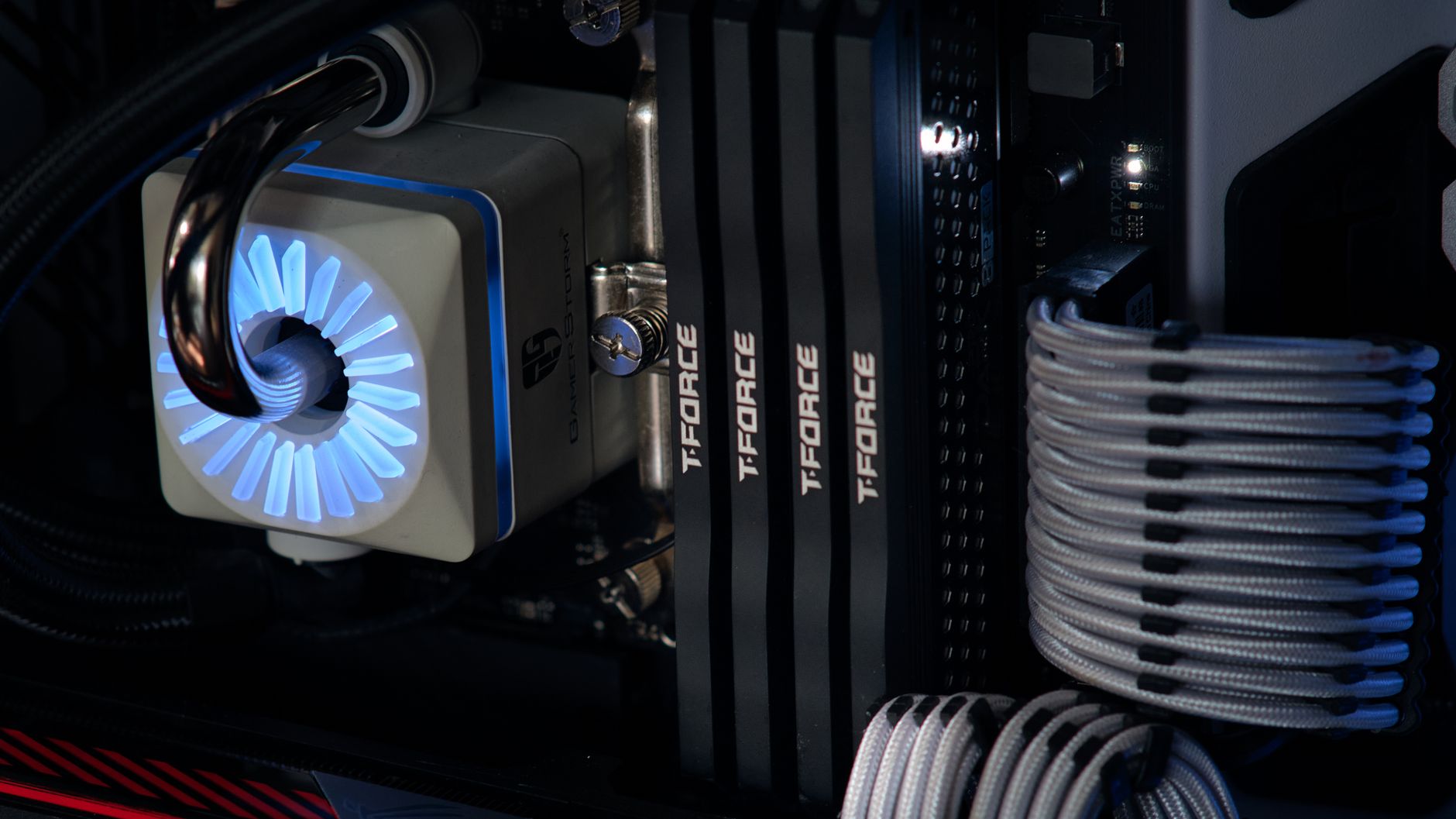
If you view your PC as a personal tech project, building your machine gives you total authority over the final product. You decide every detail, from the exact motherboard layout to the cooling loop and RGB aesthetic. This hands-on approach builds a deep understanding of your hardware.
Building also makes the most sense if you plan to evolve your setup incrementally over time. Swapping out parts piece-by-piece becomes second nature when you put the system together yourself. On the other hand, if you view a PC primarily as an appliance to play games, the time spent researching compatibility and troubleshooting boot errors might not be worth the effort.
| Feature | Building Custom | Buying Prebuilt |
|---|---|---|
| Initial Cost | Can be higher due to market pricing and lack of bulk discounts. | Often competitive or cheaper due to bulk hardware purchasing. |
| Time Investment | Requires hours of research, assembly, and troubleshooting. | Plug-and-play convenience with a fast setup process. |
| Warranty Coverage | Individual parts have separate manufacturer warranties. | Comprehensive single-system warranty and customer support. |
| Customization | Total control over aesthetics, branding, and specific part choices. | Limited to the configurations offered by the system builder. |
Convenience, Warranties, and Quality Control
Time is a valuable commodity, which is a major selling point for prebuilt systems. Reputable PC builders assemble rigs efficiently, running stress tests and OS installations before shipping them out. For users who simply want to drop into a match without dealing with bent pins or faulty power supplies, prebuilts eliminate the stress of assembly.
Another major advantage of buying a prebuilt system is the warranty structure. If a custom build fails, troubleshooting requires isolating whether the motherboard, RAM, or power supply caused the failure, and then shipping that specific part back to its manufacturer. Prebuilt systems generally come with a unified warranty covering the entire tower, paired with dedicated customer support teams to handle repairs.
Ultimately, your choice comes down to personal priorities. If you enjoy tech projects and want ultimate customization, building is the right choice. If you value your time, want streamlined support, and want to avoid current component market premiums, buying a prebuilt system is the safer investment.
Frequently Asked Questions
Is it still cheaper to build your own gaming PC?
Not always. Due to market shifts, component pricing, and AI-induced shortages on memory and storage, prebuilt systems often match or beat the cost of DIY builds.
Do prebuilt gaming PCs come with a warranty?
Yes, prebuilt systems typically include a comprehensive warranty that covers the entire system and full-time customer support, whereas building your own requires dealing with individual manufacturer warranties for each part.
Why do prebuilt PCs sometimes offer better pricing on core components?
System builders purchase components like GPUs, processors, and RAM in bulk by the pallet at reduced prices, passing some of those structural cost savings down to consumers.
References & Sources
- Build vs Buy a Gaming PC: Which Is Better for You? - Kingston Technology
- Built vs Bought: why prebuilt systems are always superior to custom gaming PCs | TechRadar
- Prebuilt PC vs building your own: Which is better? | CORSAIR
- Building a Gaming PC vs Buying a Prebuilt in 2025 - Full Guide
- I've Been DIYing PCs for 10 Years. It's No Longer Cheaper to Build Your Own PC - CNET
Editorial Note: This article was researched via verified live web sources and published on 2026-11-16. Questions or feedback? Contact the editorial staff at TrendsInNews.
Photo credit: Ivelin Donchev / Pexels