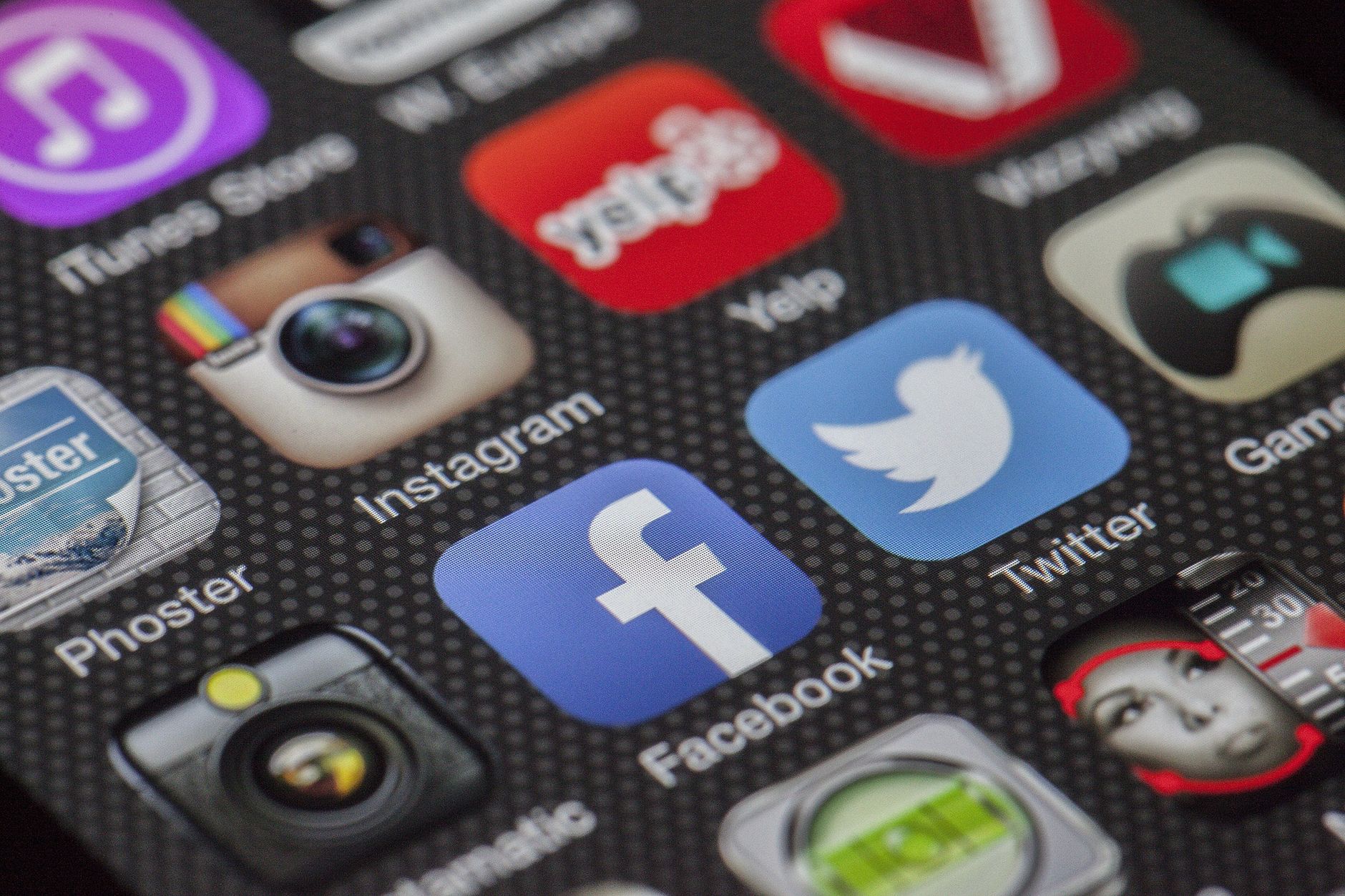


Social media algorithms are built into platform design to sort data and rank content at a speed and scale that would be impossible for humans. These complex systems serve as invisible curators that personalize user experiences, streamline digital security, and protect human workers from psychological harm.
Unmatched Scale and Speed in Data Sorting
Every major social media platform—from Instagram and TikTok to LinkedIn—uses a specific set of rules, signals, and data to determine how content is filtered, ranked, and recommended. At their core, social media algorithms act as digital guards working behind the scenes. Because platforms receive astronomical volumes of text, video, and image submissions every second, manual sorting is entirely unfeasible. Algorithms handle massive data sorting tasks instantly, ensuring that content moves through the pipeline efficiently.
Machine learning models evaluate multiple signals to determine relevance, including dwell time—the exact number of seconds a user spends reading or swiping through a carousel—and engagement probability. Because the first hour after a post goes live carries the heaviest weight, these computational systems instantly evaluate early user interaction and push relevant material forward.
Advanced Content Moderation and Platform Security
Beyond simple content delivery, algorithmic content moderation forms the backbone of social media security. Algorithms restrict illegal, harmful, or inappropriate content to maintain the overall safety and effectiveness of digital platforms.
This automated oversight is particularly critical for younger users. Algorithms ensure children’s online safety by detecting and removing dangerous content linked with self-harm, substance abuse, and sexual harassment. By mitigating the spread of harmful conduct before it gains traction, these systems help foster a safer digital environment.
| Moderation Approach | Operational Impact | Safety Benefit |
|---|---|---|
| Algorithmic Screening | Processes millions of posts per second at scale. | Instantly blocks illegal and dangerous material. |
| Automated Protection for Minors | Targets self-harm and harassment content proactively. | Protects children from exposure to predatory behavior. |
| Human Review Shielding | Filters graphic imagery before human handoff. | Protects worker mental health from severe trauma. |
Furthermore, this technology acts as a vital shield for human employees. By filtering out large volumes of inappropriate material before it reaches a human moderator for review, algorithms protect workers from constant exposure to disturbing violence, egregious conspiracy theories, and graphic imagery. Automating early-stage moderation significantly reduces workplace mental health risks and decreases overall reliance on human intervention.
Hyper-Personalized User Experiences
One of the most defining traits of modern algorithms is their ability to curate unique experiences for every individual. By continuously tracking user behavior—including what people watch, like, share, and skip—these systems analyze user interests to shape upcoming feed items.
This feedback loop drives platform retention by serving content that aligns closely with user preferences. If a user frequently engages with product reviews or specific educational topics, the algorithm adapts to serve more of that exact material. Personalization increases overall user engagement and time spent on platforms, establishing a direct connection between user behavior and tailored digital discovery.
Frequently Asked Questions
What are the main benefits of social media algorithms?
Social media algorithms offer vital benefits by sorting massive volumes of data at a scale humans cannot match, powering robust content moderation, and providing hyper-personalized feeds. They also protect human moderators from graphic or harmful material and drive platform retention through customized content delivery.
How do algorithms improve online safety for children?
Algorithms ensure children's online safety by automatically detecting and removing dangerous content linked to self-harm, substance abuse, and sexual harassment. These systems mitigate the spread of harmful conduct before it can reach vulnerable users.
Why are content moderation algorithms important for employee mental health?
Content moderation algorithms filter out large volumes of inappropriate, disturbing, or violent content before it reaches a human employee for review. This shields workers from constant exposure to graphic imagery and conspiracies, significantly reducing mental health risks.
References & Sources
- The Pros and Cons of Social Media Algorithms
- Master Social Media Algorithms: The Ultimate Guide | Sprout Social
- The Impact of Social Media Algorithms on Marketing | Marketing Communications | West Virginia University
- Social Media Algorithms and Mental Health | ACP
- The Impact of Algorithms on Social Media Platforms: Shaping Our Digital World – AlgoCademy Blog
Editorial Note: This article was researched via verified live web sources and published on 2026-11-10. Questions or feedback? Contact the editorial staff at TrendsInNews.
Photo credit: Negative Space / Pexels