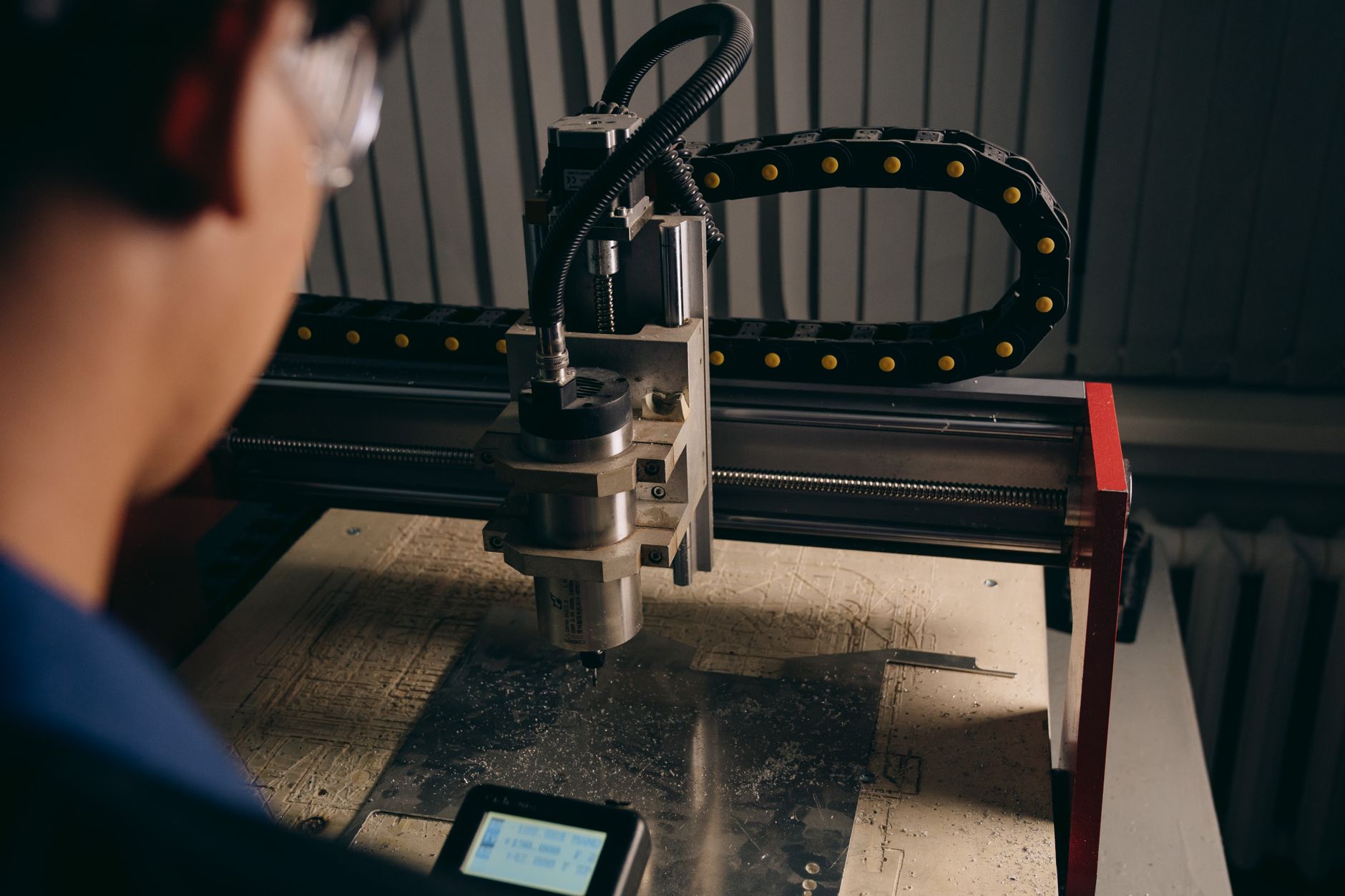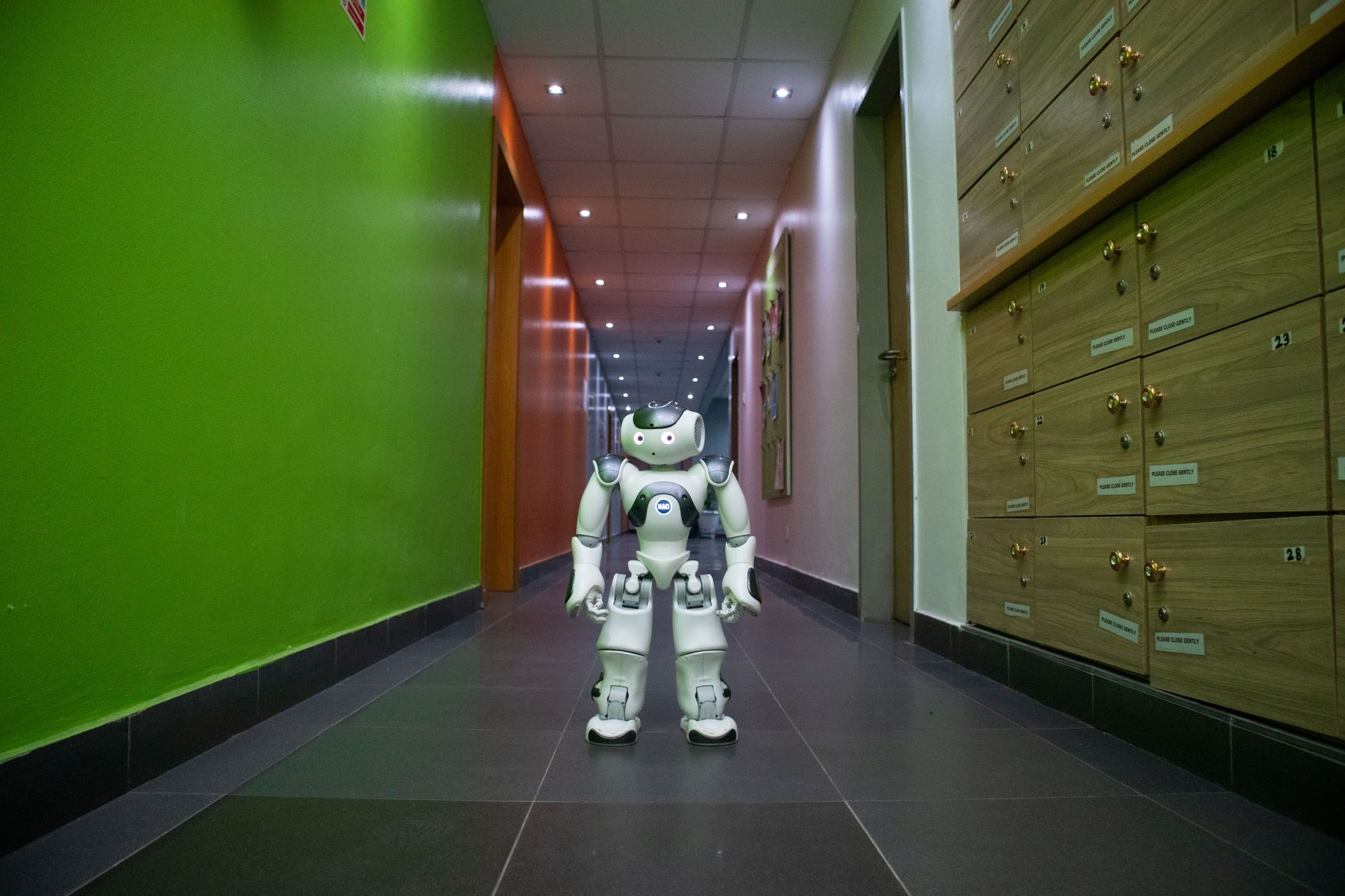
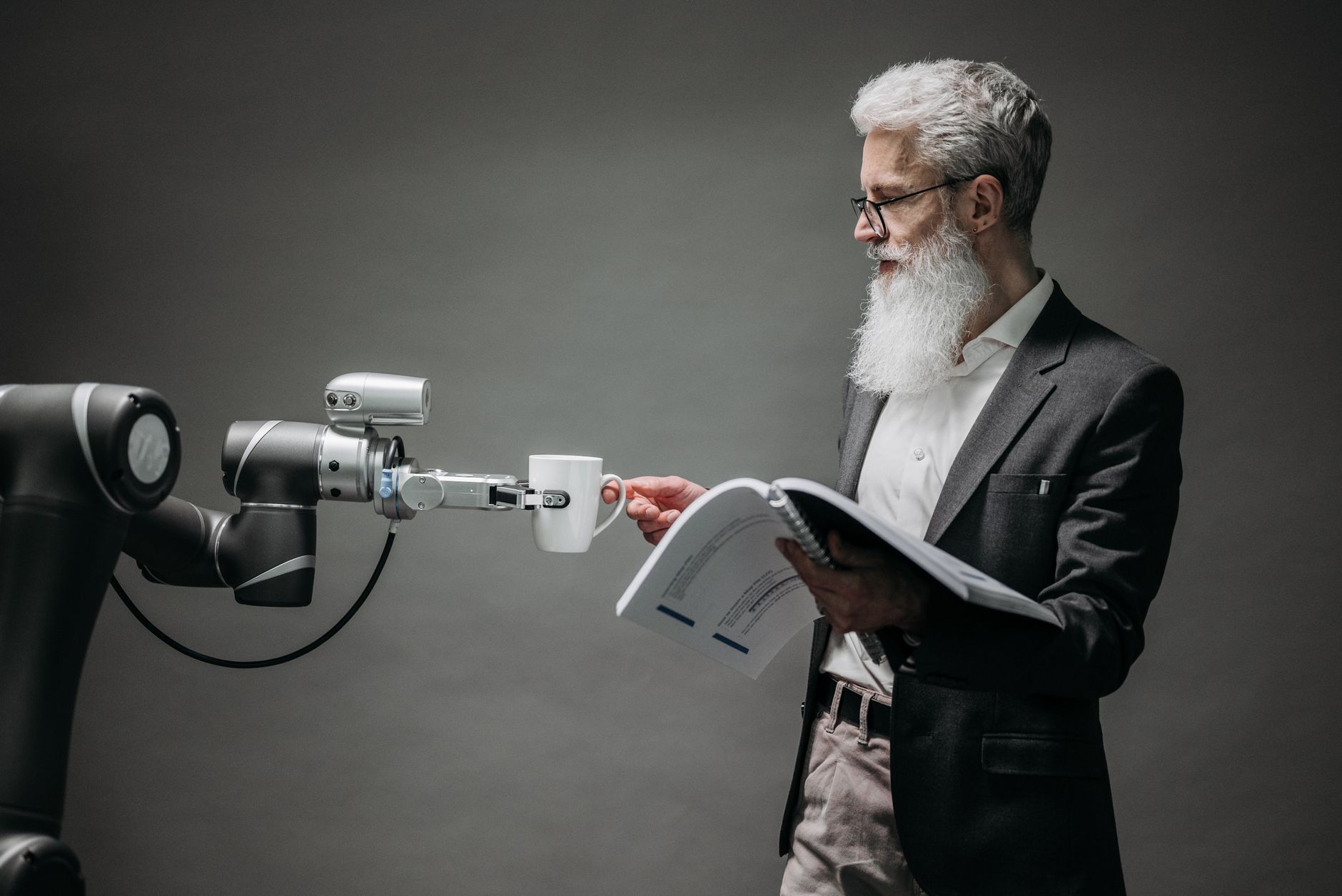

Robotic Process Automation (RPA) and Artificial Intelligence (AI) are both foundational tools for enterprise automation, but they operate through fundamentally different mechanisms. RPA is best suited for repetitive, rule-based tasks that follow clear instructions, whereas AI is designed to learn, think, and make cognitive decisions like a human.
Understanding Robotic Process Automation (RPA)
Robotic Process Automation refers to software bots designed to mimic repetitive human tasks across digital systems. Think of RPA as a digital workhorse that meticulously follows a checklist. These software bots excel in structured environments where workflows are well-defined, predictable, and heavily reliant on clear rules.
Organizations deploy RPA for straightforward UI click automations, browsing the web to collect data, logging into desktop environments, and moving files. Essentially, RPA takes over the drudge work—such as manual data entry and basic form filling—boosting operational efficiency without requiring underlying system changes.
Understanding Artificial Intelligence (AI)
In contrast to traditional script-driven automation, AI is designed to learn and think more like a human. Utilizing techniques like machine learning, AI systems can find patterns in unstructured data, predict multiple outcomes, and improve their decision-making capabilities over time.
While RPA executes tasks strictly based on pre-programmed instructions, AI expands the frontier of automation into complex, dynamic, and uncertain environments. Modern iterations, such as Agentic AI, enable systems to move beyond simple execution to autonomous reasoning and goal achievement. This allows enterprises to automate complex workflows that previously required direct human intervention.
RPA vs. AI: Core Operational Differences
For organizations shaping their automation strategy, deciding between RPA and AI is rarely an either/or proposition. Instead, success relies on identifying which tool matches the specific demands of a business workflow.
| Feature | Robotic Process Automation (RPA) | Artificial Intelligence (AI) |
|---|---|---|
| Primary Function | Executing repetitive, rule-based digital tasks | Learning, reasoning, and cognitive decision-making |
| Environment | Structured, predictable, and rule-heavy | Complex, dynamic, unstructured, and uncertain |
| Core Capability | Mimics human clicks, keystrokes, and data movement | Identifies patterns, adapts, and predicts outcomes |
| Adaptability | Lacks independent learning; relies on explicit scripts | Improves performance and reasoning over time |
Building the Future with Hyperautomation
Rather than competing against each other, RPA and AI work in tandem to expand the scope of enterprise automation. Organizations often start their automation journeys by mapping out predictable, rule-based processes for quick RPA wins, and then layer AI capabilities onto workflows that prove too complex for scripts alone.
This integration forms the foundation of an AI-powered process platform, frequently referred to as a hyperautomation platform. In these architectures, RPA acts as the execution engine for routine tasks, while AI provides the cognitive oversight required for end-to-end business process transformation.
Frequently Asked Questions
Can Robotic Process Automation and AI be used together?
Yes, RPA and AI are complementary technologies rather than competing options. Enterprises frequently combine RPA bots with AI to create hyperautomation platforms that handle both rule-based tasks and complex cognitive decision-making.
What is the main difference between RPA and AI?
RPA functions as a digital worker that executes repetitive, rule-based tasks using strict instructions and structured workflows. AI is designed to think, learn, and adapt over time using techniques like machine learning to handle complex, dynamic environments.
When should an enterprise choose RPA over AI?
An organization should use RPA for high-volume, predictable, and structured tasks such as standard data entry, form filling, and basic UI click interactions where explicit instructions are available.
References & Sources
- RPA vs. AI - Robotic Process Automation vs Artificial Intelligence
- RPA vs. Agentic AI: Transforming Enterprise Automation from Script to Strategy
- Differences Between AI And RPA - When To Use Both | UiPath
- RPA vs. AI and NLP: What’s the Difference? | Verint
- RPA vs AI agents vs Agentic Process Automation : r/rpa
Editorial Note: This article was researched via verified live web sources and published on 2026-10-05. Questions or feedback? Contact the editorial staff at TrendsInNews.
Photo credit: Pavel Danilyuk / Pexels