
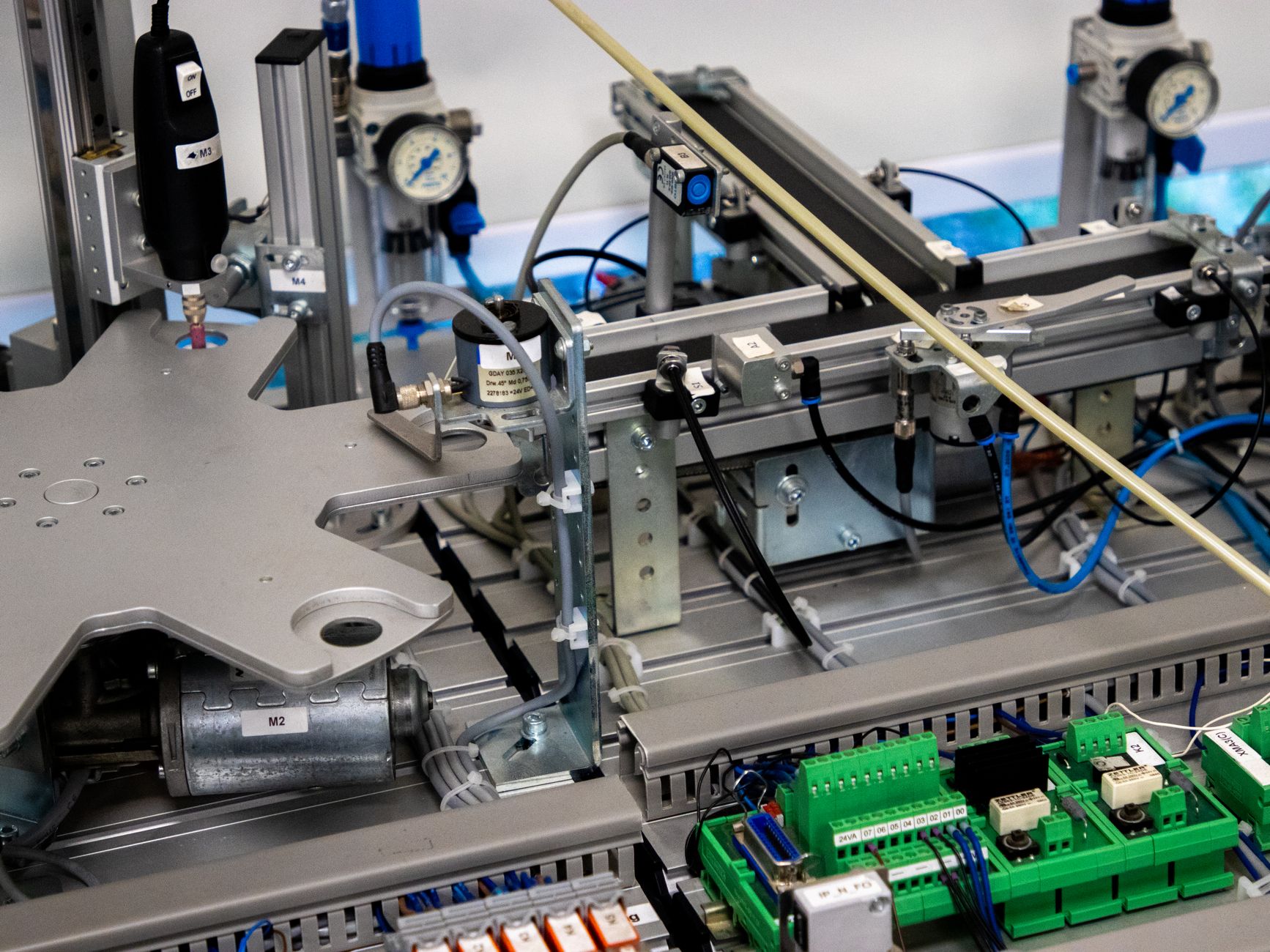

Robotics automation programming is the core practice of writing software instructions that enable machines to perceive their environments, make autonomous decisions, and execute physical tasks. By serving as the critical bridge between physical hardware and functional software, this discipline drives everything from basic industrial automation to complex artificial intelligence training.
Modern automated systems rely heavily on advanced software engineering to handle diverse workloads across manufacturing, logistics, and emerging technology sectors. Understanding how to properly build, simulate, and deploy these systems is essential for technical professionals entering the field.
The Fundamentals of Robot Programming and the AI Intersection
At its foundation, robot programming is the art of translating human intent into a series of automated physical actions. Whether applied to simple script-based tasks or intricate operations like sanding and welding, the scope of these applications continues to expand rapidly. From autonomous vehicles to surgical systems and collaborative robots (cobots), automation is reshaping modern operational environments.
Today, robotics is deeply intertwined with artificial intelligence. The next generation of intelligent machines learns directly from real-world interactions, generating massive amounts of high-quality physical data. Writing robust software is essential for training the AI models that power the future of automation. Developers move beyond basic scripting to establish systems that enable data collection, machine learning, and advanced behavioral imitation.
For beginners entering the field, the entry barrier has lowered significantly thanks to accessible tooling and cobots. The standard developmental pathway involves starting with Python for its readable syntax, building confidence through small hands-on projects, and testing code thoroughly in safe simulation environments prior to physical execution.
Industrial Automation, Training, and Workcell Design
In industrial settings, programming extends far beyond simple scripts. Technicians and engineers must master electrical systems, computer technology, and industrial networking. Training programs at technical institutes focus heavily on operational functions, incorporating lab projects and testing that demonstrate functional competencies in handling industrial hardware such as FANUC robots and tabletop mechatronics trainers.
To maximize efficiency on the factory floor, modern engineers utilize sophisticated software to design complete kinematic workcells. Platforms like Siemens Tecnomatix provide dynamic, visual engineering environments for offline robotics programming (OLP). These tools allow teams to:
- Design, simulate, and validate manufacturing workcells before physical assembly.
- Incorporate verified robot paths directly into functional controller programs.
- Upload existing programs from physical robot controllers back into software for optimization and maintenance.
Implementing virtual commissioning and 3D robotic workcell design yields measurable performance gains. For instance, industrial machinery operations like Ethos Automation have successfully reduced robot programming time by 25 percent utilizing modern offline simulation packages.
Comparing Development Approaches: Simulation vs. Physical Deployment
Developing automation software requires a balance between digital testing and physical implementation. The table below outlines the differences between utilizing offline simulation environments and working directly with physical robot controllers.
| Feature | Offline Simulation (OLP) | Physical Hardware Integration |
|---|---|---|
| Safety Risk | Zero risk of equipment collision or damage. | Requires strict safety protocols and clearance zones. |
| Development Speed | Enables rapid prototyping and faster iterations. | Slower setup due to wiring, calibration, and tuning. |
| Environment Accuracy | Virtual approximation of physics and geometry. | Real-world physics, payload constraints, and friction. |
| Primary Use Case | Workcell design, path validation, and code optimization. | Final functional verification and production runs. |
Ultimately, successful automation engineering bridges both worlds. By leveraging simulation tools to validate initial code and utilizing rigorous technical training for physical deployment, engineers can build reliable, scalable robotic systems capable of meeting the demands of modern industry.
Frequently Asked Questions
What is robotics automation programming?
It is the process of writing instructions that guide a machine to perceive its environment, make decisions, and execute physical tasks using the perceive, plan, act cycle.
Which programming language should beginners start with?
Beginners are advised to start with Python due to its readable syntax and to test their code in simulation environments before touching real hardware.
How do offline programming tools help manufacturing industries?
Software like Siemens Tecnomatix allows engineers to design 3D workcells, validate robot paths, and reduce total programming time by up to 25 percent.
References & Sources
- Robotics Programming 101: The Ultimate Guide
- Robotics & Automation Courses | Robotics Training Programs | UTI
- Robotics programming and simulation | Siemens
- Robotic Programming - Inbolt
- ROBOTICS & AUTOMATION | High-tech, Hands-on Program
Editorial Note: This article was researched via verified live web sources and published on 2026-10-18. Questions or feedback? Contact the editorial staff at TrendsInNews.
Photo credit: Ludovic Delot / Pexels