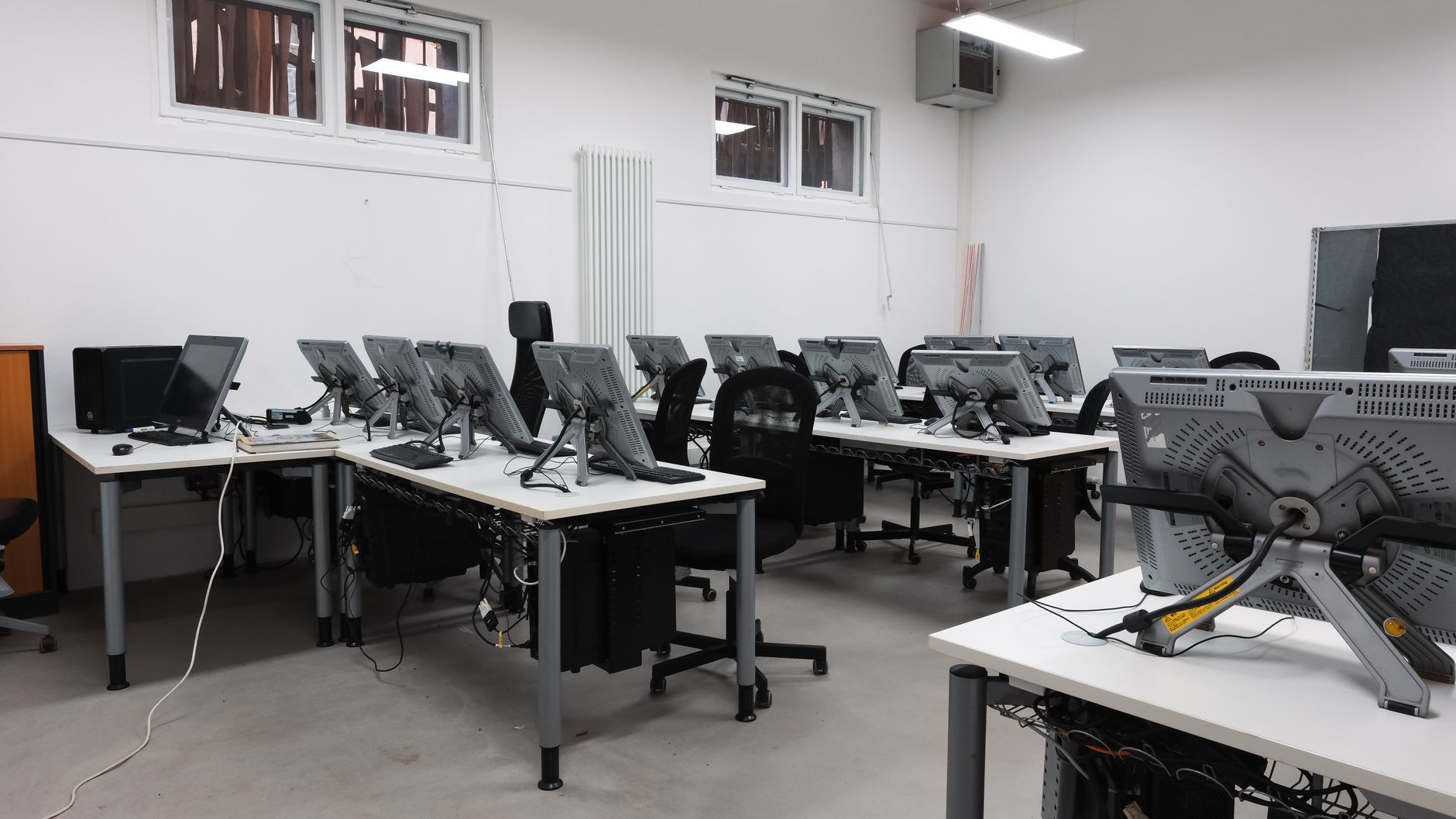
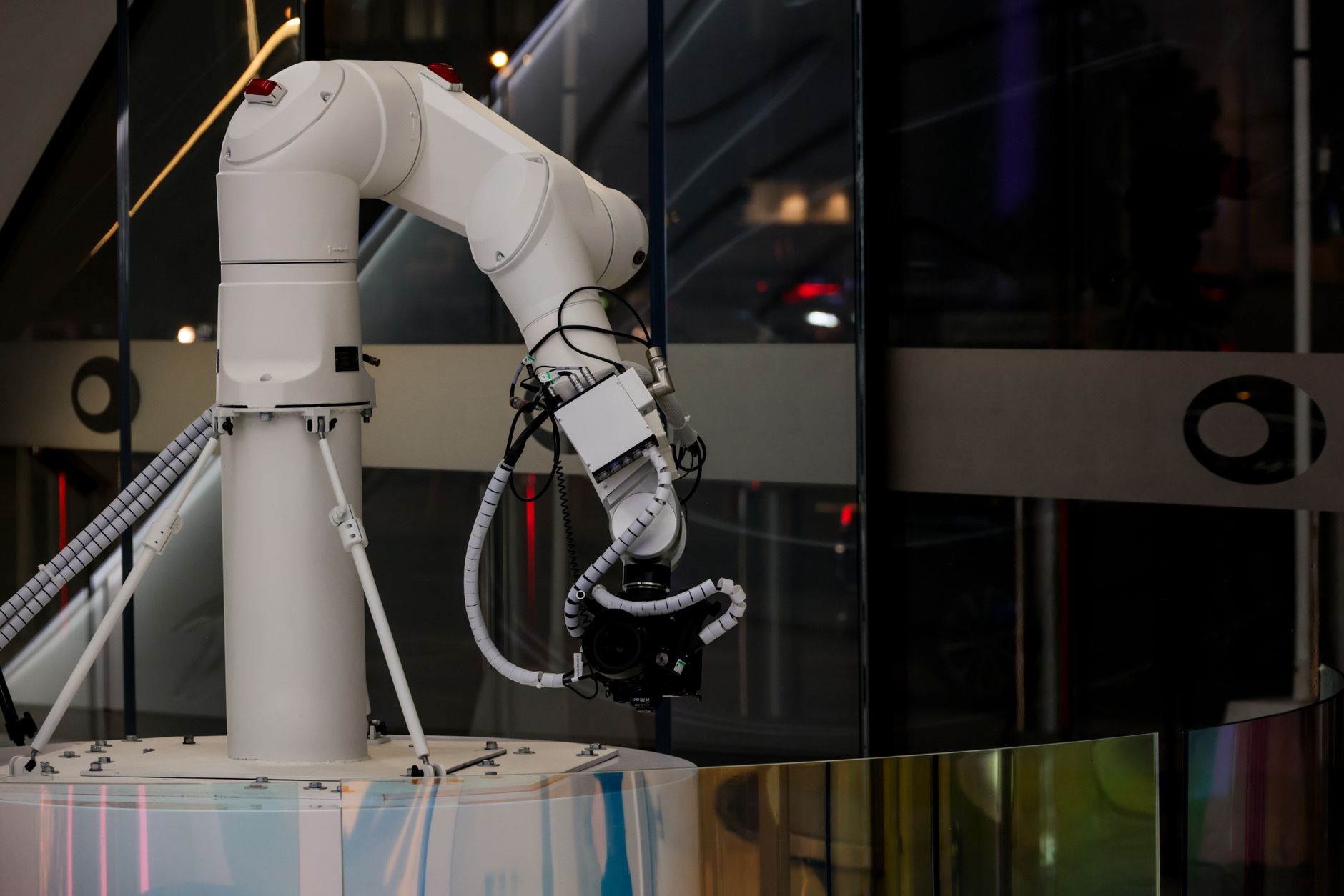

Choosing the right robotics and automation course depends heavily on your current career stage, technical background, and whether you are seeking short-term upskilling or a comprehensive technician certification. Modern educational pathways range from compact multi-week modules focusing on programmable logic controllers to intensive year-and-a-half technical programs involving hands-on laboratory hardware.
Overview of Training Formats and Durations
Educational offerings in the automation sector are tailored to different learning schedules. Professionals looking to quickly grasp conceptual frameworks or upskill their existing workforce often choose short-form courses. For example, Coursera's Fundamentals of Robotics & Industrial Automation, offered by L&T EduTech, functions as an intermediate course lasting 1 to 4 weeks. It covers critical concepts including machine controls, simulations, and the Internet of Things (IoT).
Conversely, individuals targeting entry-level technician roles from scratch often enroll in longer, immersive programs. The UTI Robotics & Automation Technician program takes about a year and a half or less to complete. This format focuses heavily on foundational manufacturing technologies, lean manufacturing principles, 3D printer calibration, and computer-aided design prototyping.
Curriculum Focus: What You Will Learn
A comprehensive robotics and automation course combines theoretical engineering principles with practical shop-floor application. Depending on the institution, the curriculum typically addresses mechanical systems, electrical infrastructure, and advanced software integration.
Key subject areas commonly integrated into technical syllabi include:
- Programmable Logic Controllers (PLCs): Students learn how to write and apply programming languages used in manufacturing operations and automation workflows.
- Safety and Quality Control: Essential baseline training covers industrial safety protocols, mechanical systems, fluid systems, and rigging.
- Vision Systems and Sensors: Advanced modules teach students to program robotic arms to use vision systems for parts identification, alongside implementing RFID, bar code, smart pressure, and smart flow sensors.
For engineers seeking specialized professional development, structured pathways like the ASME Industrial Automation with Robotics Learning Path provide self-study eLearning modules. This particular path grants 1.4 CEUs and 14.0 PDHs, allowing engineering professionals to evaluate automation solutions and integrate robotics hardware into existing production environments over a 365-day access window.
Comparing Popular Robotics and Automation Training Options
To help you select the ideal learning path, the following table compares key attributes of prominent robotics and automation educational programs available today.
| Program / Institution | Duration / Format | Key Focus Areas | Target Audience |
|---|---|---|---|
| Coursera (L&T EduTech) | 1 - 4 Weeks (Intermediate) | PLCs, Control Systems, IoT, Simulation | Professionals upskilling and workforce development |
| Universal Technical Institute (UTI) | Up to 1.5 Years | Lean Manufacturing, Prototyping, CAD, PLCs | Students seeking entry-level technician roles |
| Bismarck State College | Core & Second-Year Hands-On | FANUC Robotic Arms, Mechatronics, Vision Systems | Students training in industry-standard labs |
| ASME Learning Path | Self-Study (Up to 365 Days) | Process Integration, Hardware Selection (1.4 CEUs / 14 PDHs) | Engineers optimizing industrial production |
| Chicago State University Online | Intensive Online Training | Math, Electrical Systems, Fluid Systems, Safety | Candidates preparing for robotics and mechatronics careers |
When selecting your course, verify the exact hardware requirements and software prerequisites if you are pursuing an online credential. Ensuring alignment between your target career role—whether an entry-level plant technician or an advanced automation engineer—and the chosen curriculum will secure the best return on your educational investment.
Frequently Asked Questions
How long does it take to complete a robotics and automation certificate program?
Program lengths vary significantly based on the format and depth of study. Short online modules like Coursera's L&T EduTech offerings typically take between 1 and 4 weeks, while comprehensive technical programs, such as UTI's Robotics & Automation Technician program, take about a year and a half or less.
What specific hardware and systems are used in hands-on robotics courses?
Hands-on technical programs often incorporate industry-standard hardware to prepare students for the workforce. For instance, Bismarck State College utilizes FANUC robotic arms, tabletop mechatronics trainers, RFID sensors, bar code sensors, and smart pressure and flow sensors in their labs.
Do online robotics courses prepare students for entry-level technician roles?
Yes, structured online training programs are specifically designed to prepare learners for the job market. Programs such as Chicago State University's online Robotics Technician course prepare students for entry-level roles as robotics technicians, automation technicians, and mechatronics technicians.
References & Sources
- Best Robotics Courses & Certificates [2026] | Coursera
- Robotics & Automation Courses | Robotics Training Programs | UTI
- ROBOTICS & AUTOMATION | High-tech, Hands-on Program
- Industrial Automation with Robotics Learning Path - ASME
- Online Robotics Technician from Chicago State University
Editorial Note: This article was researched via verified live web sources and published on 2026-11-19. Questions or feedback? Contact the editorial staff at TrendsInNews.
Photo credit: Magda Ehlers / Pexels