
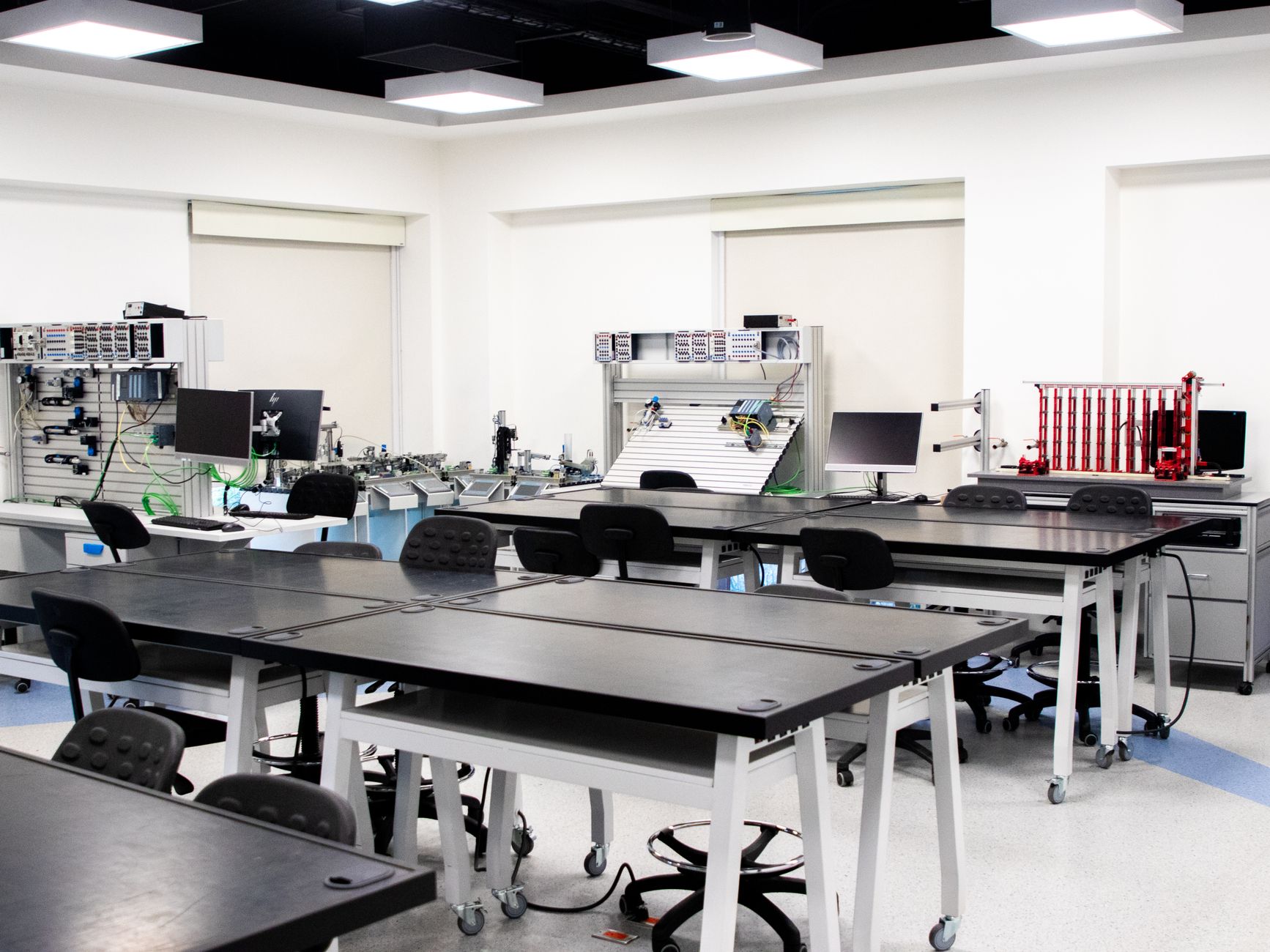

Quantum computing represents a fundamental shift in processing technology by merging computer science, information theory, and quantum physics. Unlike traditional systems that rely strictly on binary bits, modern quantum architectures harness the unique properties of quantum mechanics to tackle complex data challenges.
Core Mechanics: Understanding Qubits and Superposition
Traditional computing operates on a binary system of ones and zeros, processing data sequentially or through parallel cores. In contrast, quantum computing uses qubits. These fundamental units are capable of being in a superposition, meaning they exist in both states of one and zero simultaneously.
The value of a qubit is not fixed between 1 and 0; instead, it changes depending on when it is measured. This trait, combined with quantum entanglement, forms the core mechanics that allow quantum computers to execute large-scale calculations. Because of this specialized processing power, quantum systems are deployed for complex scientific research where traditional computers lack the capacity—such as detailed molecular modeling of large molecules and their chemical reactions.
Hardware Evolution: Moving from Lab to Enterprise
Transitioning quantum technology out of controlled laboratory environments and into deployable, chip-integrated systems requires major engineering advancements. A primary hurdle historically has been the requirement for extreme cryogenic cooling to maintain qubit stability. However, current industry developments focus heavily on room-temperature operation and low power consumption.
Integrated photonics companies are utilizing specialized components to make quantum machines accessible and affordable. Key hardware developments include:
- Thin-film lithium niobate (TFLN) chips: Moving from initial prototyping phases to process-locks for ramped manufacturing, these chips power optical devices like electro-optical modulators and micro-ring resonator cavities.
- Entropy quantum computers (EQC): Systems leveraging core photonics technology designed specifically to solve complex optimization problems.
- Quantum random number generators (uQRNG): Portable hardware devices that supply genuine random numbers derived directly from quantum processes.
To support this hardware scaling, manufacturers are planning advanced domestic facilities—such as designated "Fab 2" environments—aimed at vertically integrated processing for defense, space, and enterprise markets.
The "Capture, Compute, Communicate" Framework
Modern commercial strategies in the quantum sector are structured around a comprehensive framework designed to unify sensing, processing, and networking. This ecosystem relies on three foundational pillars:
| Framework Pillar | Operational Focus | Primary Application |
|---|---|---|
| Capture | Quantum sensing and remote data acquisition | Single photon imaging, environmental monitoring, and data collection |
| Compute | Photonic processing and entropy calculations | Complex optimization, molecular modeling, and reservoir computing |
| Communicate | Secure networking and quantum authentication | Mitigating network security vulnerabilities for enterprise and financial institutions |
Quantum communications represents an immediate growth sector within this framework. Following successful system sales to top-tier financial institutions like major U.S. banks, secure quantum networking is actively deployed to address escalating cybersecurity threats.
As research institutions and commercial manufacturers continue to scale investments in personnel, research and development, and domestic fabrication, quantum technology is steadily shifting from theoretical physics into highly secure, practical infrastructure.
Frequently Asked Questions
What is quantum computing?
Quantum computing is an advanced research area combining computer science, information theory, and quantum physics. It utilizes qubits that can exist in a superposition of both ones and zeros simultaneously, enabling large-scale calculations beyond the capacity of traditional computers.
What are the main advantages of room-temperature quantum systems?
Room-temperature operation eliminates the need for complex cryogenic cooling systems. This design drastically reduces power consumption and makes quantum-enabled systems significantly easier to adopt for broader enterprise and consumer markets.
How are companies advancing quantum communication security?
Companies utilize integrated photonic platforms and thin-film lithium niobate (TFLN) chips to develop quantum communication solutions. These systems address widespread network security concerns and are already seeing adoption among major financial institutions.
References & Sources
- Computing - Wikipedia
- Quantum Computing, Inc. Q4 2025 Earnings Call Summary
- Quantum Computing, Inc. Q4 2025 Earnings Call Summary
- Compare Quantum Computing Stocks – Top Quantum Computing Stocks
- QUBT | Quantum Computing Inc Share Price - Investing.com ZA
Editorial Note: This article was researched via verified live web sources and published on 2026-10-24. Questions or feedback? Contact the editorial staff at TrendsInNews.
Photo credit: Ludovic Delot / Pexels