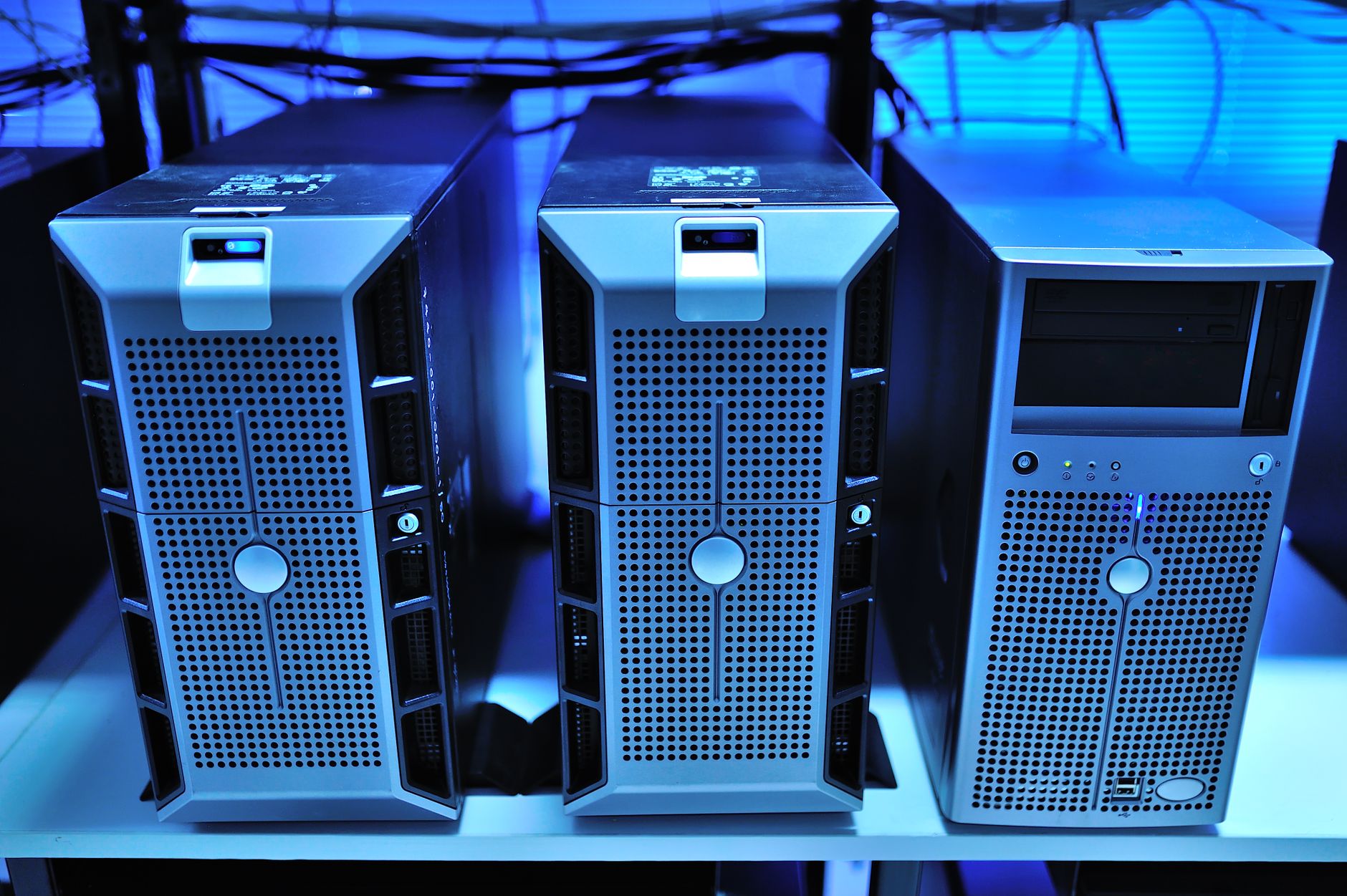


The most promising near-term use cases for quantum computing involve molecular simulation for drug discovery, materials science, and chemical catalyst design, as these applications address quantum mechanical systems that classical computers approximate poorly. Other operational sectors are also adapting hybrid models to tackle complex computations across diverse industries.
Molecular Simulation, Pharma, and Materials Science
Traditional methods of exploring molecular structures and material properties are notoriously resource-intensive and time-consuming for classical machines. Because molecules and chemical reactions are fundamentally quantum mechanical systems, classical computers must rely on approximations that introduce inefficiencies. Quantum computers, by contrast, can simulate atomic interactions more directly.
Pharmaceutical companies and chemical enterprises are focusing heavily on these capabilities to advance research and development. Using quantum-enhanced simulation, researchers can screen larger and more complex molecules, map interactions between a drug and its biological target with greater precision, and accelerate the creation of novel battery materials and industrial catalysts.
Optimization in Finance, Logistics, and Supply Chain
Optimization problems involve finding the single best solution out of a vast number of mathematical possibilities, a task that scales exponentially as variables increase. Enterprises in logistics, manufacturing, and finance are deploying quantum-inspired algorithms and hybrid workflows to manage these complex challenges.
In logistics and supply chain management, determining efficient routing and delivery schedules consumes massive computational resources. Quantum optimization helps streamline these operations to save time and operational expenses. Meanwhile, financial institutions and asset managers pilot quantum tools to refine risk analysis, option pricing, portfolio management, and capital allocation.
| Industry Domain | Primary Use Case | Estimated Timeline |
|---|---|---|
| Pharma & Materials | Molecular simulation and catalyst design | 5 to 10 years |
| Finance & Logistics | Portfolio optimization and route scheduling | Near-term hybrid testing |
| Cybersecurity | Quantum-safe encryption development | Urgent active deployment |
Cybersecurity and Cryptographic Readiness
While sectors like climate modeling and artificial intelligence remain largely aspirational or face longer integration timelines, cybersecurity demands immediate action. The potential development of powerful quantum processors introduces severe vulnerabilities to standard data encryption protocols.
Specifically, quantum algorithms such as Shor's algorithm can factorize large numbers exponentially faster than the best-known classical algorithms. This capability threatens current public-key cryptography standards. Consequently, governments and enterprise security teams are actively building and transitioning to quantum-safe encryption frameworks to secure sensitive data against future decryption threats.
Frequently Asked Questions
What is the most promising near-term use case for quantum computing?
Molecular simulation for drug discovery, materials science, and chemical catalyst design represents the strongest near-term application. These tasks map naturally onto quantum mechanical systems that classical computers struggle to approximate efficiently.
How does quantum computing impact cybersecurity?
Quantum computers pose a major threat to current encryption standards because algorithms like Shor's factorize large numbers exponentially faster than classical machines. This vulnerability is driving urgent industry-wide adoption of quantum-safe encryption.
Are quantum computers currently running at commercial scale?
None of the prominent quantum computing use cases run at commercial scale on today's hardware. Most near-term implementations rely on hybrid quantum-classical workflows or pilot programs while hardware scales over a 5 to 10-year horizon.
References & Sources
- Quantum Computing Applications: 8 Use Cases by Industry
- Quantum Computing Applications: 8 Real-World Use Cases in 2026 | Quantum in South Carolina
- Quantum Computing Use Cases and Business Applications | BCG
- 14 Quantum Computing Use Cases Reshaping the Future
- Quantum Computing Use Cases
Editorial Note: This article was researched via verified live web sources and published on 2026-11-27. Questions or feedback? Contact the editorial staff at TrendsInNews.
Photo credit: Markus Winkler / Pexels