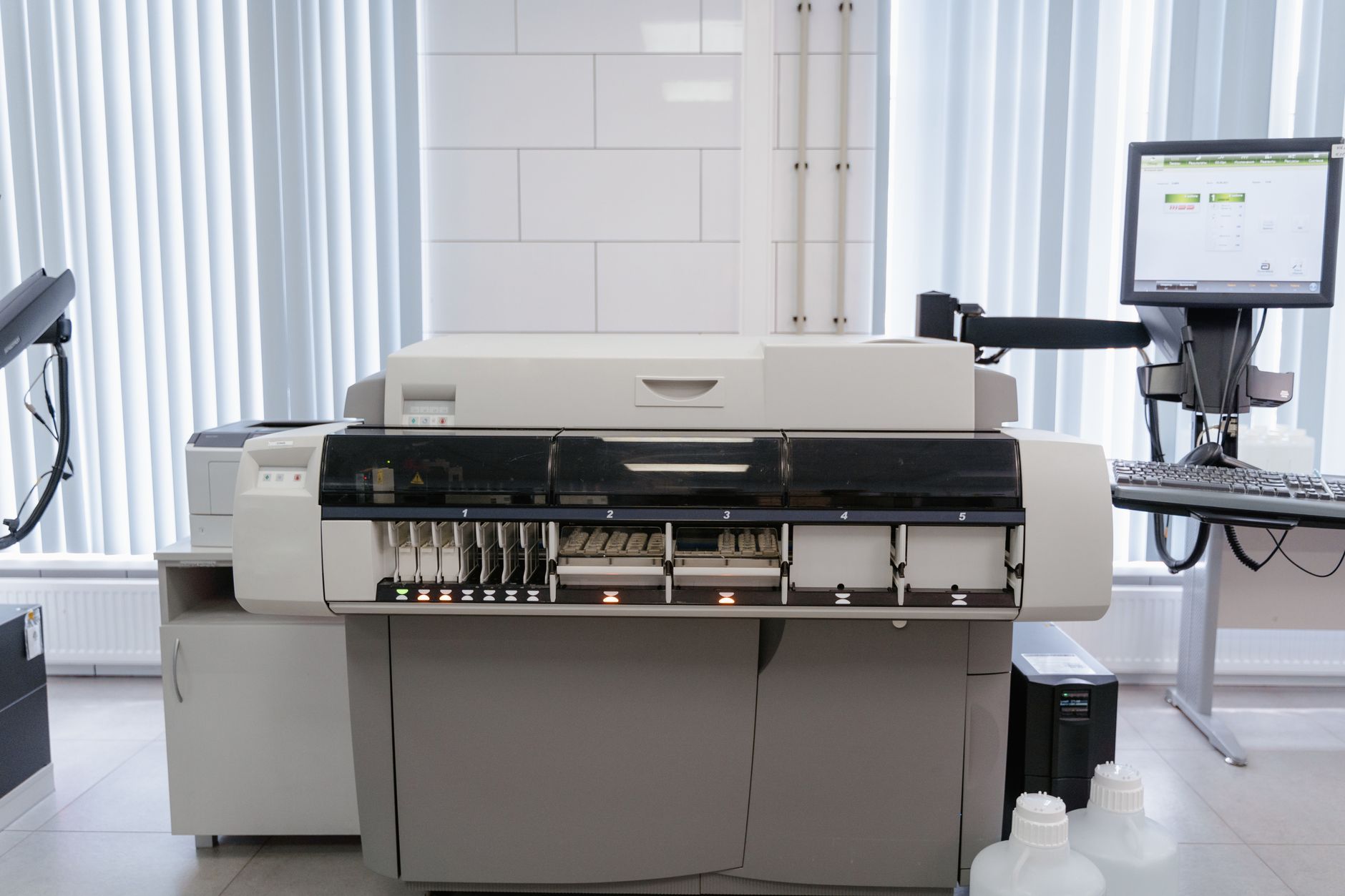
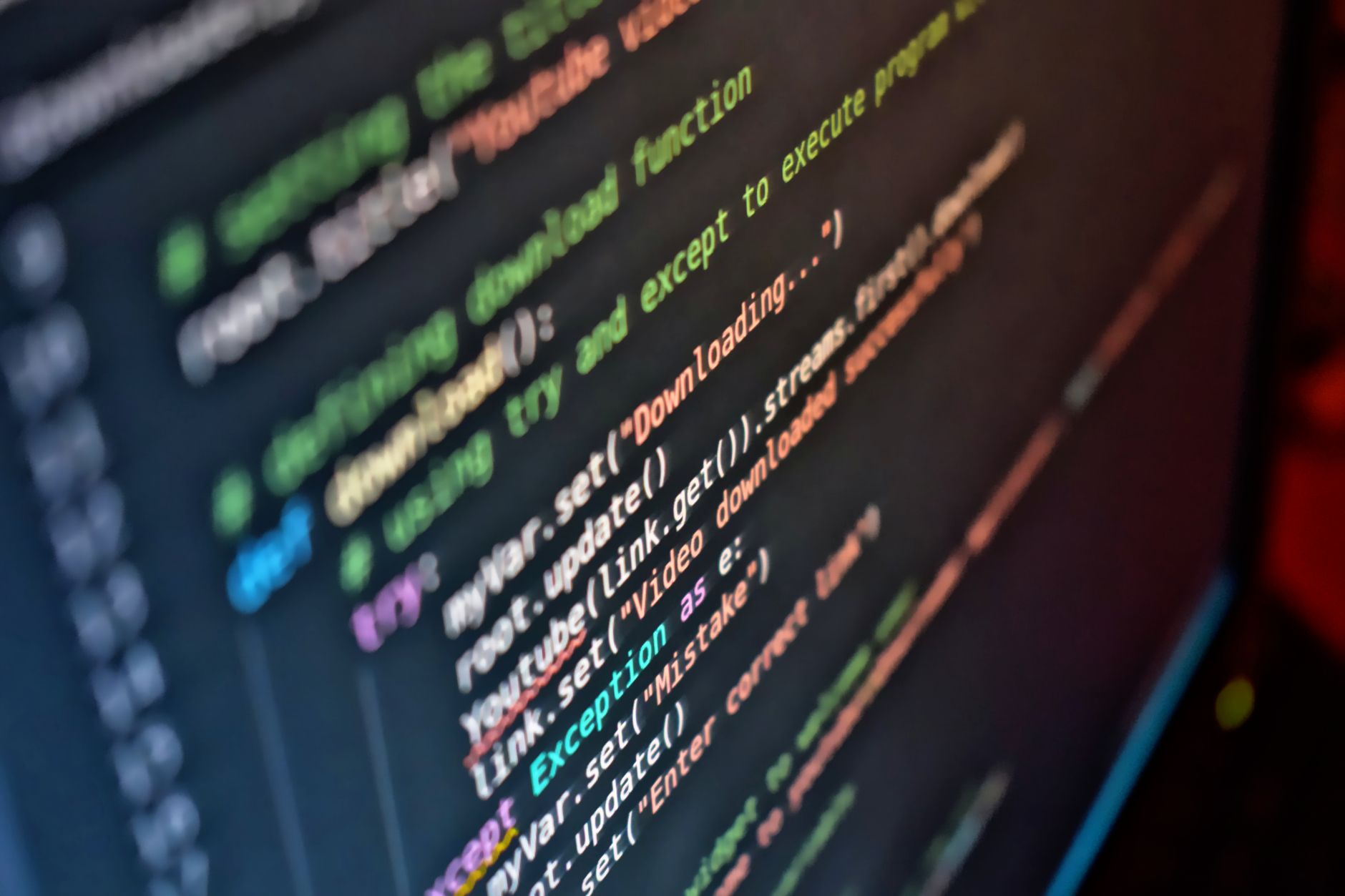

The rules governing open source software encompass both the legal definitions that dictate how code can be shared and modified, and the architectural rule engines used to power modern business logic. Understanding these compliance standards and tooling choices is essential for any modern development team.
Navigating the intersection of open source legal criteria and enterprise-grade decision automation ensures your projects remain legally compliant while operating at scale.
The Core Rules of Open Source Software
The official Open Source Definition originates from the Debian Free Software Guidelines (DFSG) and sets strict parameters for what qualifies as genuine open source software. For a program to carry this designation, it must include accessible source code and allow distribution in both source and compiled formats. Deliberately obfuscated source code violates this core standard.
Furthermore, open source licenses must adhere to strict non-discrimination guidelines. The license must not restrict anyone from making use of the program in a specific field of endeavor, meaning it cannot legally bar commercial business usage or scientific research. Additionally, licensing terms must remain completely technology-neutral, meaning they cannot favor a specific technology interface or hardware stack. Provisions cannot force other software distributed alongside the licensed application to also be open source.
Managing contributions is another critical legal responsibility. Without a formalized contributor agreement or license in place, individual authors retain exclusive ownership of their contributions. This means that without explicit documentation, nobody—not even the project maintainer—can legally copy, use, distribute, or modify those contributions.
Managing Dependencies and Copyleft Licenses
When building software, incorporating external libraries introduces legal liabilities that demand careful code auditing. Including any library with a strong copyleft license requires you to choose an identical or compatible license for your overall project.
To safely evaluate your codebase dependencies, categorize them by their licensing requirements:
- Strong Copyleft (GPLv2, GPLv3, AGPLv3): These licenses demand that any derivative work or integrated project also adopt the exact same copyleft license, exposing proprietary code bases to open source mandates.
- Weak or Limited Copyleft (MPL 2.0, LGPL): These libraries can be safely integrated into projects running under any license model, provided you strictly follow the additional modification and attribution rules they specify.
- Permissive Licenses: Frequently required by corporate compliance policies, these allow seamless integration with proprietary products without forcing the host application to open-source its proprietary codebase.
Open Source Rule Engines for Decision Automation
Beyond licensing compliance, engineering teams frequently look to open source rule engines to handle complex business logic. These engines separate decision-making logic from core application code, allowing non-technical business users to modify operational rules without rewriting underlying software applications.
| Rule Engine | Primary Stack / Use Case | Key Features |
|---|---|---|
| Drools (JBoss Rules) | Enterprise Java | Complex rule evaluation, DMN/BPMN support, Workbench for authoring, and decision tables. |
| GoRules | No-Code / Multi-Language SDKs | Visual decision editor, multi-language SDK support (Rust, Node.js, Python, Go), and JSON export files. |
| Particle Rules Engine | IoT / Node-RED | Drag-and-drop application builder tailored for deploying self-hosted or cloud-hosted IoT instances. |
Tools like GoRules provide a visual editor where teams can construct decision paths using simple inputs and outputs. Once configured, a release packages these decisions into a standard JSON file. Development teams can easily ingest this JSON file and integrate it using native SDKs across languages like Node.js, Python, Go, and Rust. This approach successfully bridges the gap between fast-moving business stakeholders and engineering execution.
Frequently Asked Questions
What defines an open source project according to the Open Source Definition?
An open source project must include its source code, allow distribution in both source and compiled forms without deliberate obfuscation, remain technology-neutral, and never discriminate against any person, group, or specific field of endeavor.
How do strong copyleft licenses impact software dependencies?
Dependencies featuring strong copyleft licenses—such as GPLv2, GPLv3, or AGPLv3—require you to choose an identical or compatible license for your entire project. In contrast, weak copyleft options like MPL 2.0 and LGPL can generally integrate with projects of any license type if you follow their specific rules.
What are open source rule engines used for?
Open source rule engines provide powerful, no-code or low-code solutions for defining complex business logic and decision processes. Tools like GoRules and Drools allow non-technical teams to manage rules visually, letting development teams easily integrate the resulting JSON outputs via SDKs.
References & Sources
- The Open Source Definition – Open Source Initiative
- The Legal Side of Open Source | Open Source Guides
- Medium
- Particle’s Rules Engine is now open source and available to all – Particle Blog
- GoRules: Free Open Source Business Decisions Visual Editor
Editorial Note: This article was researched via verified live web sources and published on 2026-11-25. Questions or feedback? Contact the editorial staff at TrendsInNews.
Photo credit: Godfrey Atima / Pexels