
Open source LLM training involves using open-source libraries, tools, and community-driven base models to efficiently customize, evaluate, and scale language models. By shifting away from rigid, expensive proprietary APIs, engineering teams can build secure, highly tailored artificial intelligence assets directly on local servers or private cloud infrastructure.
The Open Source LLM Training Ecosystem
Building generative AI solutions at scale requires a mature software stack. Modern engineering teams leverage community standards and robust libraries to streamline the training and evaluation of large language models. Rather than building models from scratch—which requires astronomical computational budgets—developers download powerful base models like LLaMA-3 or DeepSeek and adapt them to specific organizational needs.
Popular applications, such as Uber Eats recommendations and search optimization, demonstrate how open-source models like Meta Llama and Mistral AI Mixtral can match or exceed the performance of proprietary alternatives when fine-tuned on domain-specific datasets. Key software tools driving this ecosystem include:
- Hugging Face Transformers & PEFT: Essential for loading pre-trained weights and applying Parameter-Efficient Fine-Tuning methodologies.
- Microsoft DeepSpeed & PyTorch FSDP: Core frameworks utilized for distributed model training, memory optimization, and throughput acceleration.
- Ray & vLLM: Advanced tools deployed to maximize throughput for large-scale pre-training, fine-tuning, and online serving capabilities.
Methodologies: Full-Parameter Training Versus QLoRA
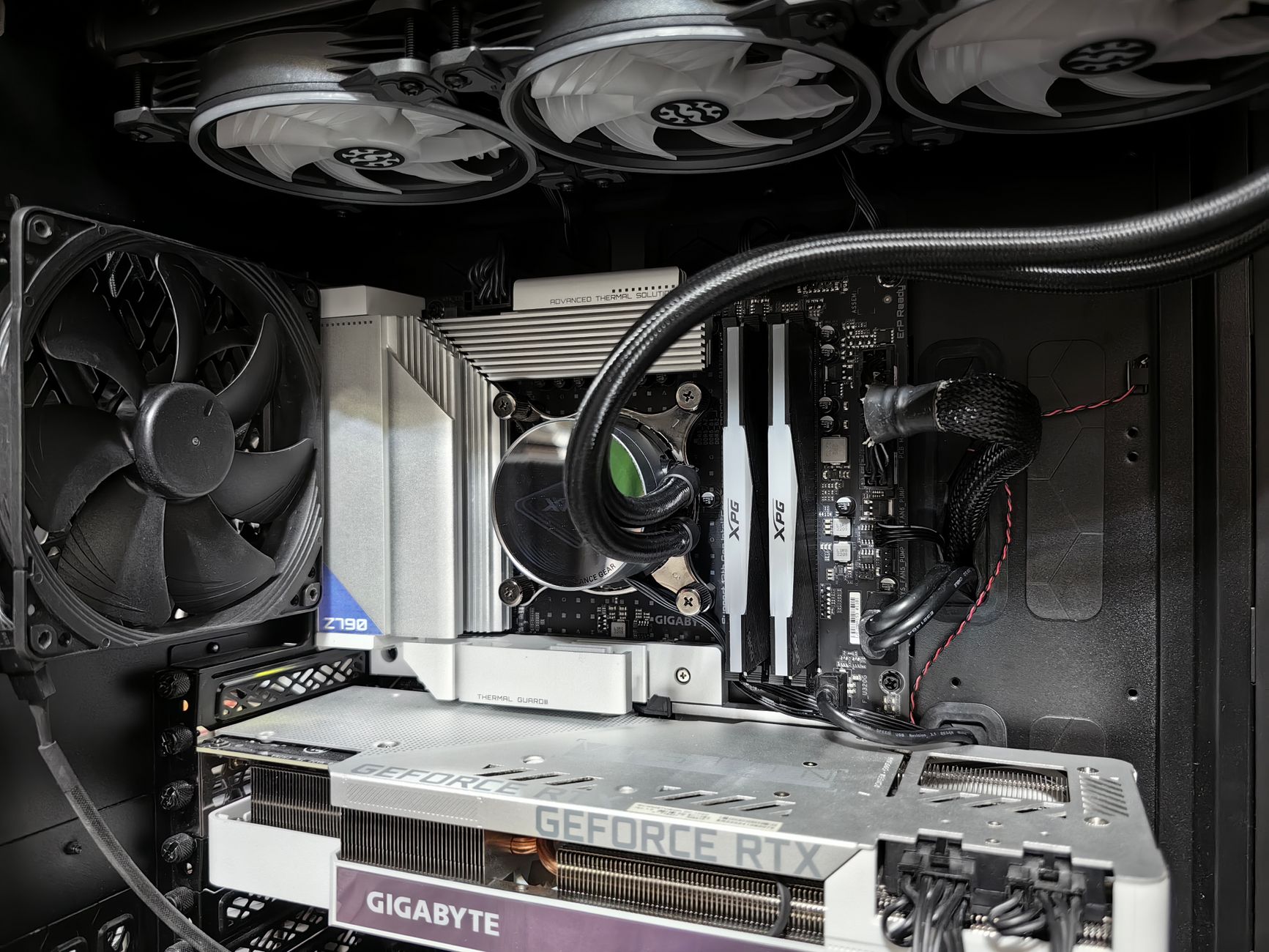
Historically, full-parameter training required massive clusters and hundreds of thousands of dollars because every single parameter within the model was updated during execution. To democratize this process, modern practitioners rely on parameter-efficient techniques.
Using QLoRA (Quantized Low-Rank Adaptation), engineering teams freeze the massive base model weights and train tiny adapter weights on top of them. This drastically cuts down required memory, making it feasible to fine-tune robust models on standard infrastructure.
| Training Parameter | Full-Parameter Training | QLoRA Fine-Tuning |
|---|---|---|
| Resource Cost | Extremely high; requires massive multi-node clusters. | Cost-effective; runnable on smaller, local hardware setups. |
| Weight Modification | Updates all base model parameters. | Freezes base weights and trains lightweight adapter layers. |
| Primary Risk | Prohibitive expense and complex infrastructure overhead. | Catastrophic forgetting if generic conversational data is omitted. |
Managing Datasets and Preventing Catastrophic Forgetting
Data preparation is the foundation of successful model customization. Open-source datasets like the Cross-lingual Public Pool of Prompts (xP3), LAION-2B-en, and specialized JSONL records provide the raw material necessary to teach models specific linguistic patterns, coding structures, or formatting requirements.
However, a primary risk during open-source fine-tuning is catastrophic forgetting. This occurs when an over-trained model becomes so hyper-focused on new, domain-specific proprietary data that it loses its baseline understanding of standard grammar and general reasoning. To mitigate this, developers use a curriculum fix: mixing domain-specific records with a controlled percentage of generic conversational data, such as the ShareGPT dataset, during the training run.
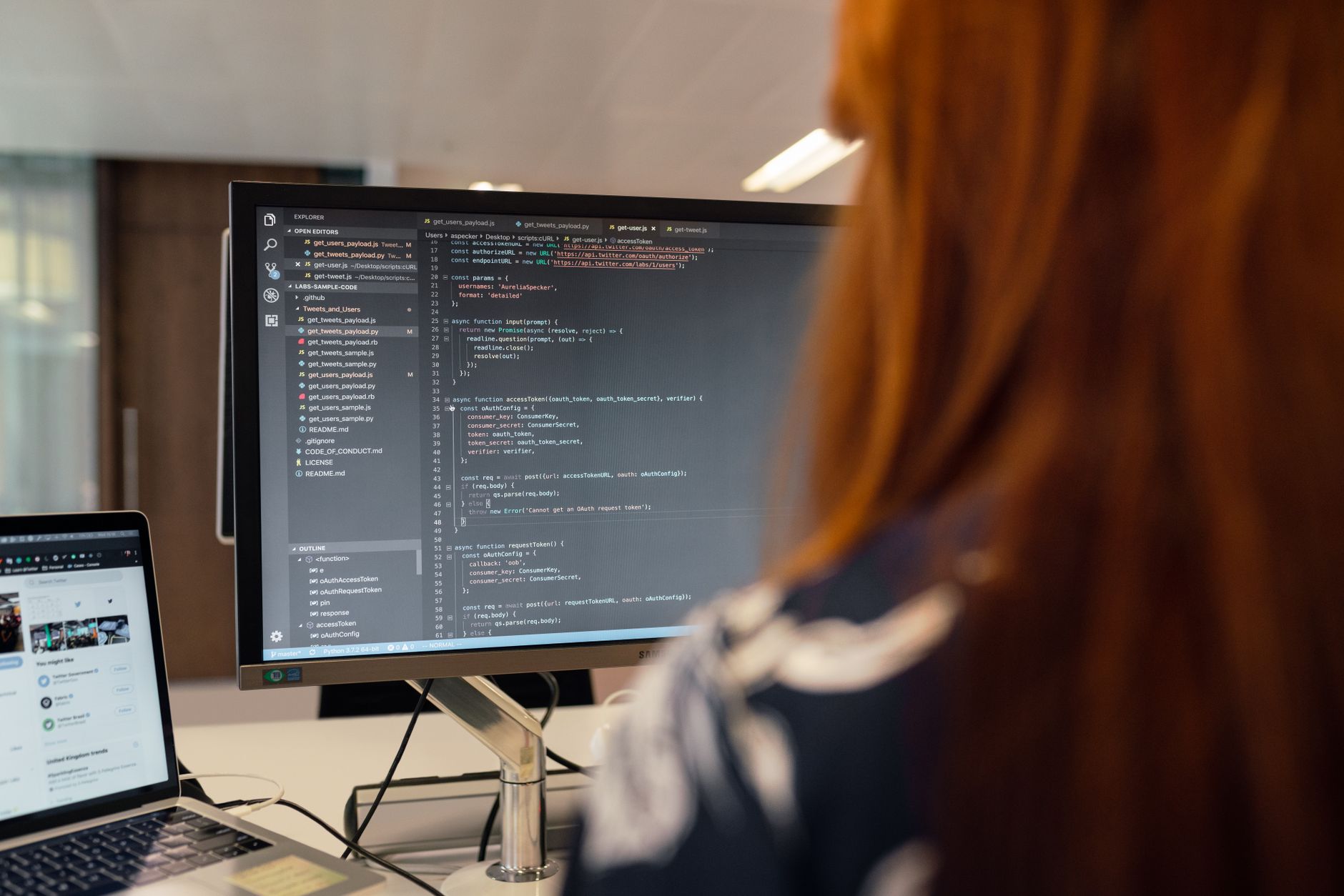
Configurations are typically managed via simple YAML text files where engineers declare their base model paths, target datasets, and hardware parameters. For teams breaking into the space, the standard recommendation is to start by fine-tuning smaller iterations—such as an 8-parameter model via Axolotl—before attempting to scale up to massive architectures like Llama 3 450B.
Frequently Asked Questions
What is open source LLM training?
Open source LLM training involves downloading public base models like LLaMA-3 or DeepSeek and fine-tuning or training them using open-source libraries, frameworks, and datasets on local or cloud hardware infrastructure.
How do engineering teams avoid catastrophic forgetting during fine-tuning?
Teams prevent catastrophic forgetting by mixing their proprietary domain-specific training data with a small percentage of generic conversational data, such as the ShareGPT dataset, during the training cycle.
What hardware and software tools are commonly used for scaling LLM training?
Common tools include PyTorch FSDP, Microsoft DeepSpeed, Hugging Face PEFT, and Ray, running on high-performance GPU instances like NVIDIA A100 and H100 clusters managed by Kubernetes.
References & Sources
- Open Source LLM Training: Guide to Custom Fine-Tuning - Artificial Intelligence World
- Open Source and In-House: How Uber Optimizes LLM Training
- Open Source and In-House: How Uber Optimizes LLM Training
- Training an Open-Source LLM for Cybersecurity Applications
- 10 Open Source Datasets for LLM Training - Analytics Vidhya
Editorial Note: This article was researched via verified live web sources and published on 2026-11-24. Questions or feedback? Contact the editorial staff at TrendsInNews.
Photo credit: Daniil Komov / Pexels