
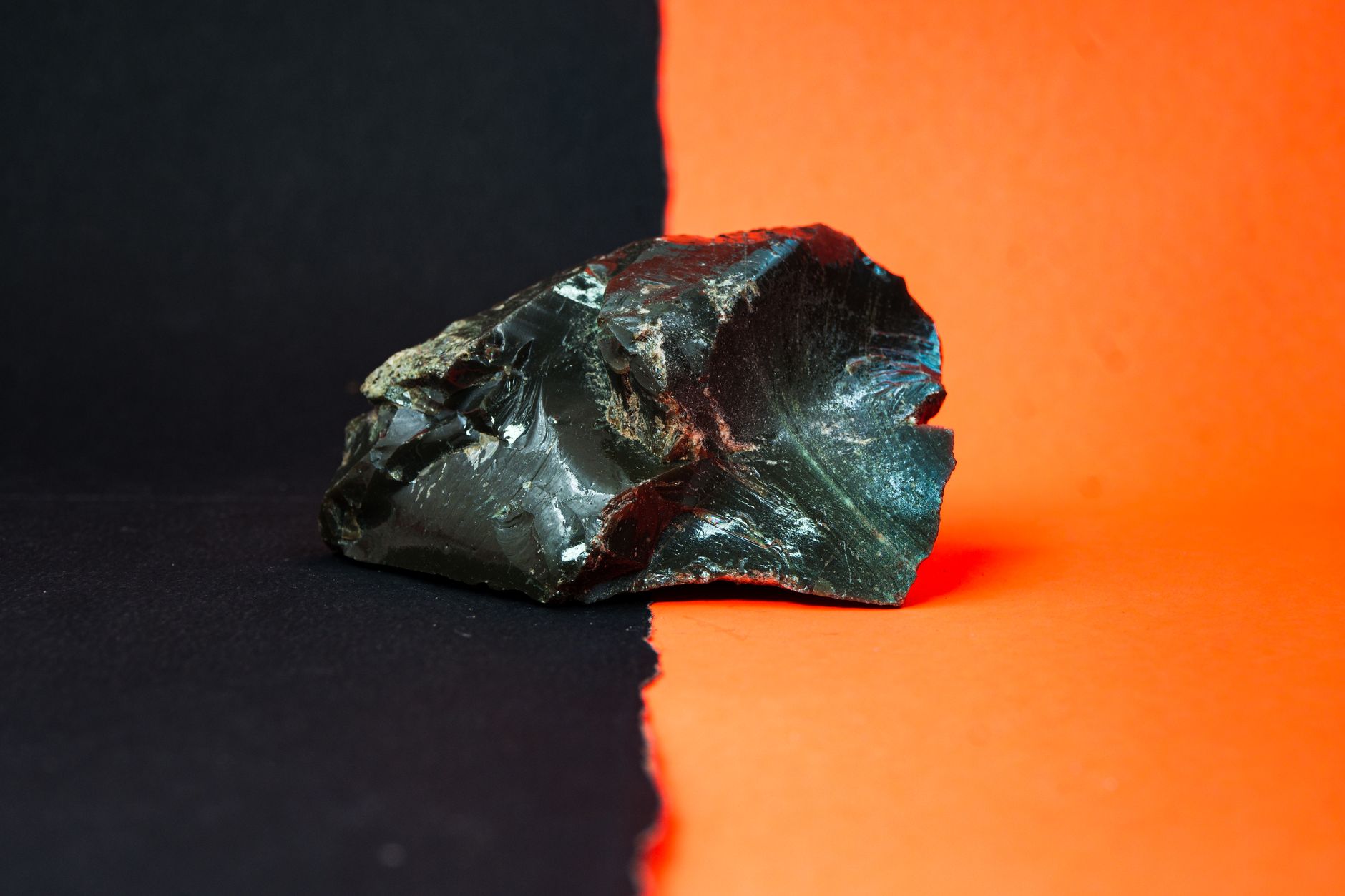

When comparing obsidian and snowflake obsidian, the primary difference lies in their visual appearance and internal structure, driven by mineral inclusions during formation. While standard obsidian is a uniform, dark volcanic glass, snowflake obsidian features striking white or grey patterns caused by natural mineral growth.
Geological Formation and Composition
Understanding the science behind these stones clarifies why they look and behave differently. All obsidian forms from molten lava, but the cooling process dictates the final material:
- Standard Obsidian: Typically forms when felsic lava cools down rapidly, preventing any crystal growth from occurring. This rapid transition creates a smooth, amorphous volcanic glass.
- Snowflake Obsidian: Also called flowering obsidian, this variety develops when silica-rich molten lava cools slightly slower. This specific cooling rate allows needle-like crystals of cristobalite to form spherulites, giving the stone its characteristic patterned appearance.
Because of these cristobalite inclusions, snowflake obsidian is technically a uniquely crystalline volcanic glass rather than pure amorphous glass.
Appearance and Physical Characteristics
The visual distinction is the easiest way to tell these two materials apart in practical settings:
- Standard Obsidian: Most commonly jet black, though it can occasionally appear dark brown or green depending on impurities. Its surface is sleek, glossy, and uniform.
- Snowflake Obsidian: Features a contrasting black matrix speckled with soft, scattered white or grey markings that look like snowflakes dancing in a night sky.
Despite these differences in internal structure and pattern, both materials maintain a high degree of durability. Snowflake obsidian is frequently utilized for polished worry stones, beads, and unisex jewelry because the bold neutrals pair easily with other materials.
Comparing Properties and Use Cases
Practitioners and collectors note distinct variations in how these stones function during meditation, grounding, and personal reflection:
| Feature | Standard Obsidian (Black) | Snowflake Obsidian |
|---|---|---|
| Appearance | Solid, uniform dark glass | Black matrix with white/grey cristobalite inclusions |
| Energy Intensity | Intense, direct, and powerful | Gentler, patient, and graceful |
| Core Focus | Shadow work, cord-cutting, and deep truth-seeking | Balance, calm, grounding, and seeing behavioral patterns |
| Best Suited For | Empaths, setting firm boundaries, burnout recovery | Beginners, overthinkers, and turbulent life phases |
While standard obsidian is frequently recommended for intense introspection and uncovering deep-seated truths, snowflake obsidian is valued for restoring a deep sense of protection and reverence without overwhelming the user. Its patterned nature is often thought to help wearers recognize recurring patterns in their own thoughts and behaviors, offering a stabilizing anchor during stressful periods.
Frequently Asked Questions
What is the main difference between standard obsidian and snowflake obsidian?
Standard obsidian is a uniform, dark volcanic glass formed by rapid cooling, while snowflake obsidian features distinct white or grey markings created naturally by cristobalite mineral inclusions.
How do the energy properties of snowflake obsidian compare to standard obsidian?
Standard obsidian, particularly black obsidian, offers intense protection and is known for deep shadow work. Snowflake obsidian provides a noticeably gentler energy that focuses on stabilization, calm, and grounding during chaotic times.
What causes the snowflake-like pattern on snowflake obsidian?
The pattern is formed by cristobalite, which is a silica mineral and polymorph of quartz. These needle-like inclusions develop when silica-rich molten lava cools slightly slower, allowing unique crystalline structures to form within the volcanic glass.
References & Sources
- Different Types of Obsidian Explained: Colors, Patterns and Spiritual – MindfulSouls
- Snowflake Obsidian Meaning and Properties
- Snowflake Obsidian Meaning: Healing Energy, Geology, ...
- Unlock the Power of Obsidian: 6 Types Explained – Wild Mountain Crystals
- Obsidian Stone Meaning, Types, Healing Properties & Uses
Editorial Note: This article was researched via verified live web sources and published on 2026-10-11. Questions or feedback? Contact the editorial staff at TrendsInNews.
Photo credit: Samiran Biswas / Pexels