
The Nintendo Switch 2 delivers significant performance upgrades, a larger 7.9-inch screen, and 4K docked support, making it a powerful hybrid console for modern gaming. However, its premium price point and continued use of an LCD display instead of OLED mean buyers must weigh its raw power against specific lifestyle needs.
Hardware and Design Improvements
The design philosophy of the original hybrid hardware remains intact, but every physical dimension of the console has been refined. The device now centers around a larger 7.9-inch screen that noticeably improves the handheld experience. Despite the increased display size, the console remains comfortable for extended gaming sessions thanks to rounded edges that provide a secure, natural grip.
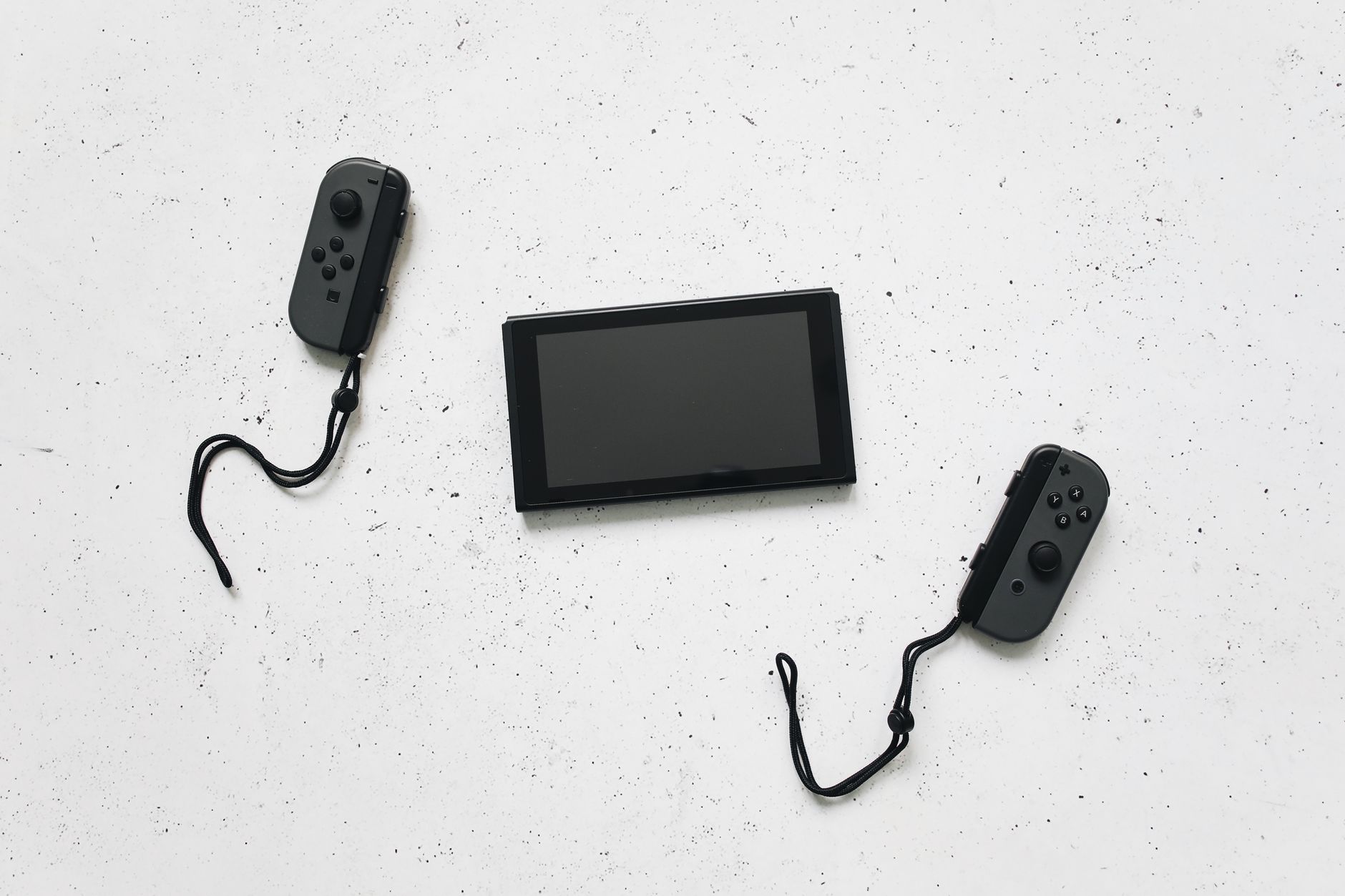
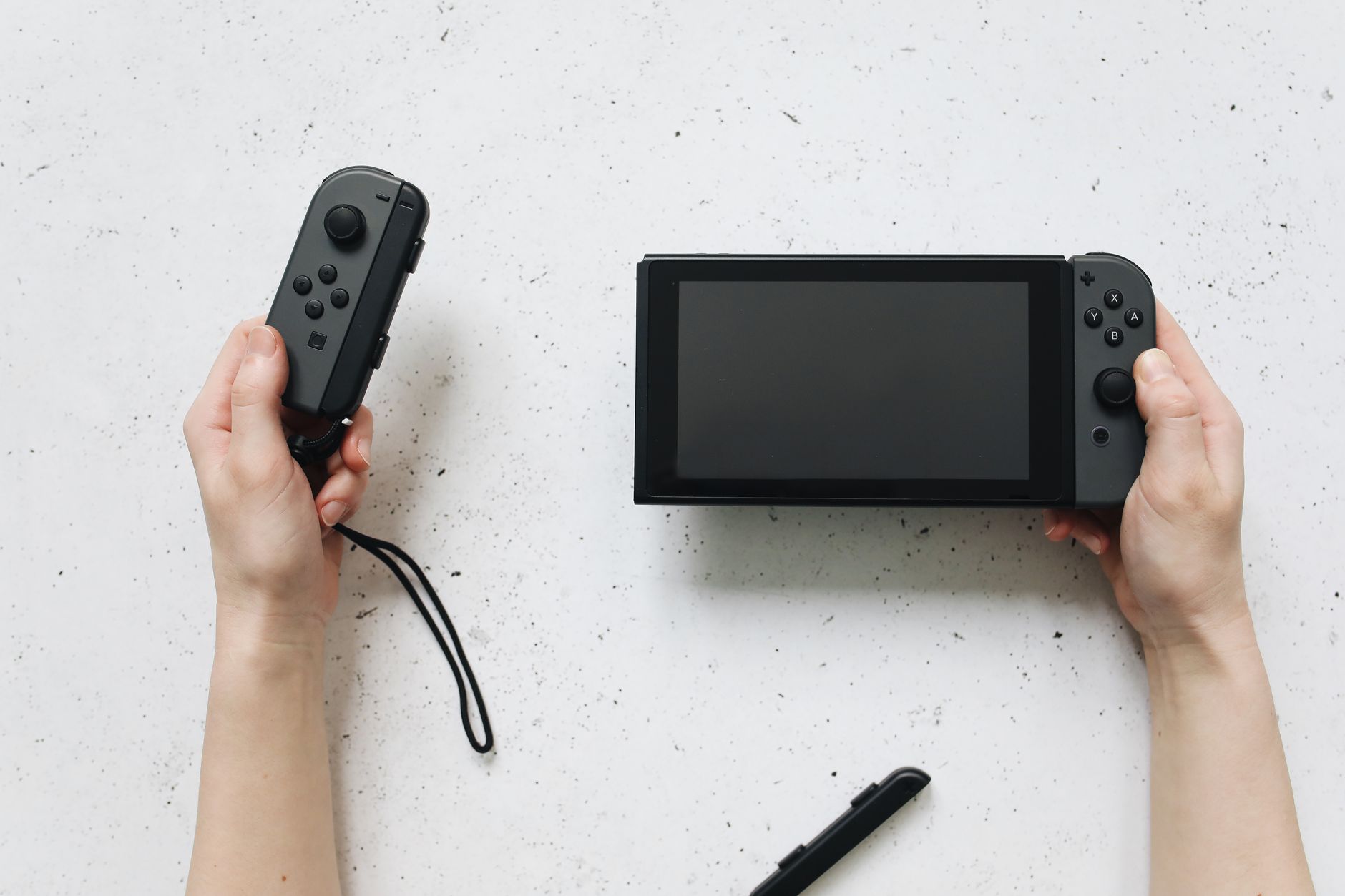
Build quality receives a major boost through a redesigned kickstand that offers a more stable experience on flat surfaces. Furthermore, Nintendo completely overhauled the peripheral attachment mechanism. The new magnetic Joy-Con attachment system is faster, smoother, and vastly more secure than the previous sliding rail design. Additionally, the inclusion of a second USB-C port adds significant convenience for charging and accessories, while the top of the chassis houses familiar elements like a game card slot under a plastic cover, a 3.5mm headphone jack, volume rockers, and the power button.
Display Performance and Visuals
The display choice is bound to spark debate among mobile gamers. Nintendo opted for an LCD panel rather than an OLED screen. While it cannot match the infinite contrast and deep blacks of a Switch OLED, the new panel delivers vibrant colors and improved brightness. Furthermore, HDR support enhances highlights and dynamic range in supported games, while a 120Hz refresh rate makes system menus feel remarkably smooth and gameplay much more responsive.
When connected to a television, the device truly shifts into a modern hardware tier. 4K docked support makes the system future-friendly for living-room displays. Utilizing NVIDIA DLSS upscaling, the console enhances image quality by intelligently scaling lower-resolution visuals while maintaining high performance, stable frame rates, and seamless visuals without stuttering during complex gameplay sequences.
| Feature | Original Switch | Nintendo Switch 2 |
|---|---|---|
| Screen Size | 6.2 to 7.0 inches | 7.9 inches |
| Display Technology | LCD / OLED | LCD with HDR and 120Hz |
| Docked Resolution | Up to 1080p | Up to 4K via DLSS |
| Internal Storage | 32GB to 64GB | 256GB with Micro SD Express |
Processing Power, Storage, and Backward Compatibility
Under the hood, a custom NVIDIA processor balances performance, thermal output, and portability. Storage capacity gets a massive upgrade from 64GB to 256GB of internal storage, meaning players can store multiple titles right out of the box without needing to buy a micro SD card immediately. The system also introduces Micro SD Express support for ultra-fast data transfer.
Backward compatibility is handled exceptionally well. Nearly all physical and digital library items from the original generation work seamlessly. Without needing developer patches, legacy titles benefit from faster loading times and more stable frame rates. Meanwhile, select titles receiving "Nintendo Switch 2 Edition" upgrades leverage the hardware for higher resolutions and better textures.
The only major trade-off for this power is battery endurance. Because the hardware relies on a high-performance architecture, demanding titles can drain the battery cell in just over two hours. For multiplayer communication, the addition of GameChat rounds out a robust platform upgrade.
Frequently Asked Questions
Why is the Switch 2 battery life worse than the Switch OLED?
The Switch 2 features a much more powerful custom NVIDIA processor. This high-end performance demands more power than the original's older Tegra X1 chip, resulting in demanding games consuming the battery in over two hours.
Does the Nintendo Switch 2 play original Switch games?
Yes, nearly all physical and digital Switch games work on the Nintendo Switch 2. Many run noticeably better with faster load times and more stable frame rates without requiring developer intervention.
Does the Nintendo Switch 2 support 4K resolution?
Yes, the console supports 4K resolution and 120 fps via its upgraded 4K dock support, utilizing NVIDIA DLSS upscaling to enhance image quality and deliver smooth living-room TV gaming.
References & Sources
- Nintendo Switch 2 Review (2026): Is It Worth Buying?
- Nintendo Switch 2 Review 2026 – Pros, Cons & Final Verdict
- Nintendo Switch 2 Review 2026
- Nintendo Switch 2 System Review (2026): Honest Verdict After Testing | The Inspect Aspect
- Nintendo Switch 2 Review 2026: Worth Upgrading From the Switch? | Shopfox Blogs
Editorial Note: This article was researched via verified live web sources and published on 2026-11-30. Questions or feedback? Contact the editorial staff at TrendsInNews.
Photo credit: Polina Tankilevitch / Pexels