
Running a local large language model (LLM) costs between $1,500 and $4,000 upfront for capable hardware, supplemented by $50 to $300 monthly for electricity and operational overhead. For organizations handling high-volume workloads, self-hosted infrastructure typically reaches a break-even point with commercial APIs within 6 to 12 months.
Upfront Hardware and Infrastructure Expenses
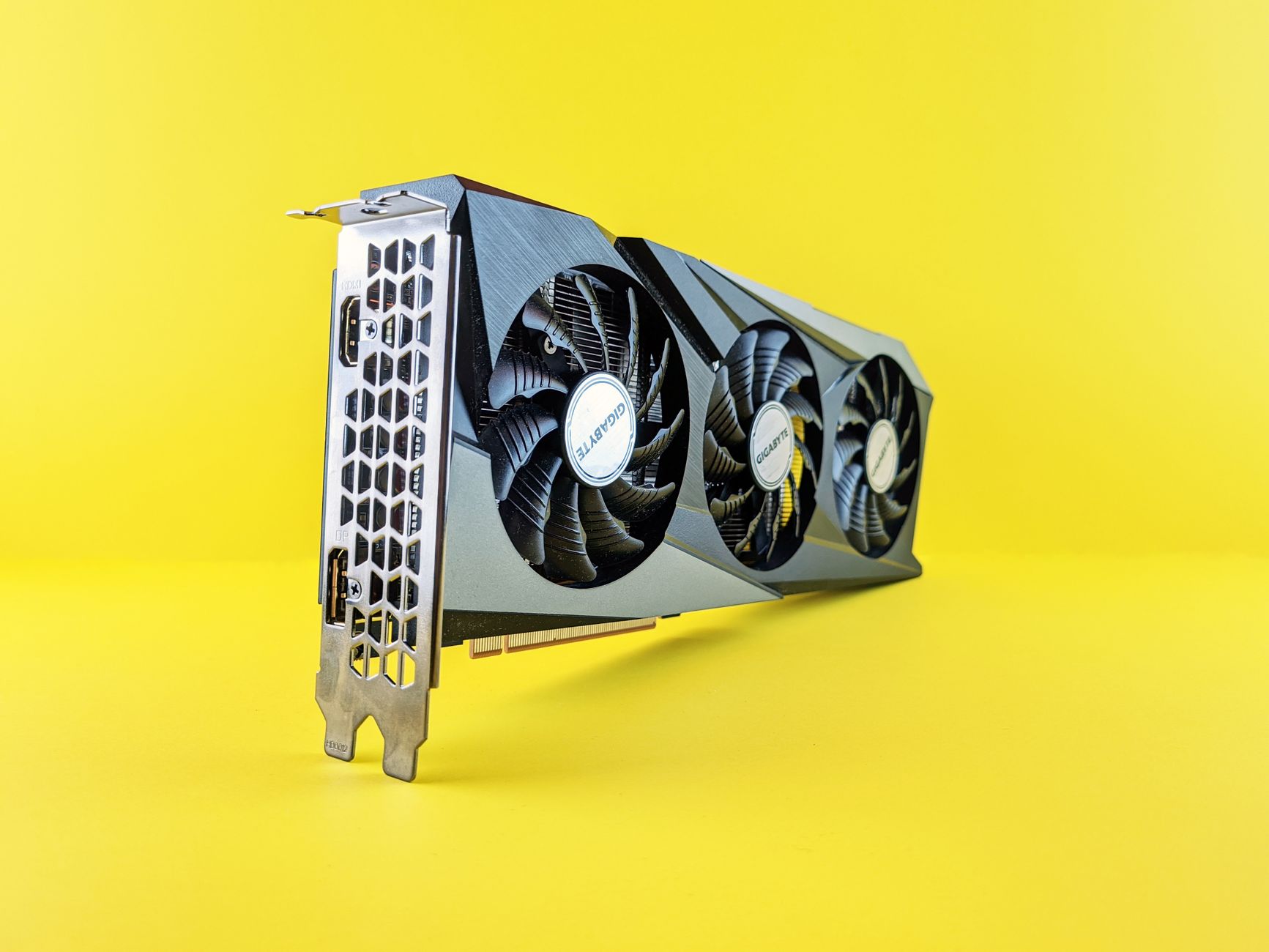
The financial foundation of any local LLM deployment is the hardware, specifically the graphics processing unit (GPU) and its available video RAM (VRAM). Because running models locally requires sufficient memory to hold model weights in VRAM, hardware selection dictates both capability and cost.
Budget setups often utilize a used consumer card like the RTX 3090 with 24GB of VRAM, bringing total hardware component costs to roughly $1,300 to $1,500 when factoring in a reliable power supply unit (PSU). For production environments capable of handling larger models, an NVIDIA A10G (24GB) server ranges from $6,000 to $8,000, while a high-end A100 80GB server designed for 70B parameter models commands $20,000 to $30,000.
Ongoing Operational Costs: Power and Amortization
Once the hardware is installed, ongoing monthly expenses quickly accumulate. Electricity consumption forms a major part of the recurring baseline. For instance, running a 400W server continuously at an average electricity rate of $0.12 per kWh adds roughly $3.50 per day just to keep the system powered on before serving a single prompt.
Furthermore, hardware amortization plays a critical role in long-term accounting. A production-grade server valued at $25,000, amortized over a 3-year lifecycle with a 10% residual value, accrues an amortization baseline of approximately $20.55 per day. Factoring in secondary expenses—such as internet bandwidth, internet cooling overhead (adding roughly 10% to 15% to GPU thermal design power), and regular maintenance—total operational expenses scale predictably with workload intensity.
Deployment Scale Comparison
Choosing between cloud-based access and self-hosted infrastructure depends entirely on request volume, privacy requirements, and predictability of use. The following breakdown illustrates how different deployment types compare across financial metrics:
| Deployment Type | Upfront Cost | Monthly Cost | Break-Even Period | Best For |
|---|---|---|---|---|
| Cloud APIs | $0 | $200-$2,000+ | N/A | Variable or low usage |
| Cloud GPU Instance | $0 | $500-$5,000+ | N/A | Predictable medium usage |
| On-Premise (Budget) | $2,000 | $50-$100 | 4-8 months | Testing and development |
| On-Premise (Mid) | $3,500 | $75-$150 | 6-12 months | Production at moderate scale |
| On-Premise (Enterprise) | $15,000+ | $200-$400 | 8-18 months | High-volume and strict compliance |
Organizations transitioning from commercial APIs to local infrastructure must weigh these monetary figures against the strategic benefits of data privacy, zero data-sharing agreements, and predictable offline availability. While casual hobbyists will find that renting cloud compute or paying flat-rate consumer subscriptions remains cheaper, engineering teams with high-token volumes will see substantial long-term savings by bringing their inference pipelines in-house.
Frequently Asked Questions
How much does it cost to set up a local LLM?
Upfront hardware costs range from $1,500 to $4,000 for capable setups featuring GPUs with 24GB+ VRAM, while budget options start around $2,000 for on-premise development. Enterprise-grade infrastructure for high-volume needs can easily exceed $15,000.
When do local LLMs break even compared to cloud APIs?
For moderate and heavy API users, self-hosted deployments typically break even within 6 to 12 months. However, casual individual users comparing local setups to a $20/month ChatGPT Plus subscription may experience break-even periods stretching across many years.
What are the hidden costs of running an AI model locally?
Beyond the initial hardware purchase, ongoing expenses include monthly electricity, cooling overhead, hardware amortization, and technical maintenance. These factors can add 5% to 20% to your total cost of ownership.
References & Sources
- Cost of Running Local LLM: Real Numbers & Break-Even Guide 2026
- Local LLM Setup, Costs & Risks · Neil Sahota
- Local LLM Total Cost of Ownership 2026: Cloud vs Self-Hosted | PromptCost.org
- How Much Does It Cost to Run LLMs Locally? | InsiderLLM
- Local AI vs Cloud Cost Calculator — ChatGPT vs Local LLM
Editorial Note: This article was researched via verified live web sources and published on 2026-10-29. Questions or feedback? Contact the editorial staff at TrendsInNews.
Photo credit: Andrey Matveev / Pexels