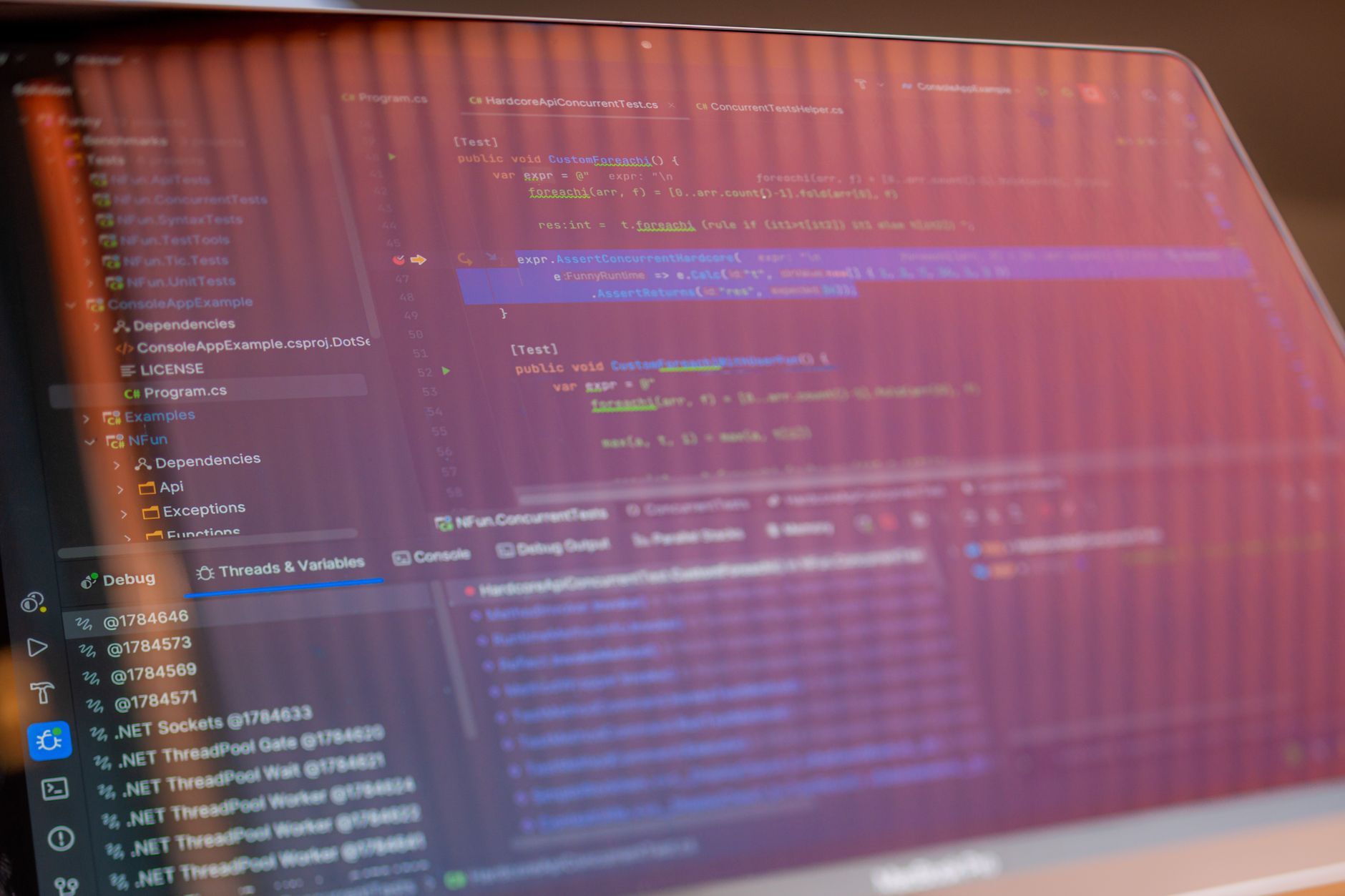

Docker container security involves protecting workloads across their entire lifecycle, addressing challenges such as CVEs in container images and insecure configuration settings. To achieve robust protection, organizations must combine Docker's inherent technical capabilities with disciplined operational practices.
Core Architecture and Inherent Security Features
Docker is an open platform designed to package software into standardized, executable components called containers. These components bundle application source code together with operating system libraries, system tools, and runtimes. Because containers share the underlying host operating system's kernel, they reduce overhead and improve performance compared to traditional virtual machines.
When you start a container using the Docker engine, it provisions several foundational layers of protection:
- Namespaces: Provide the first layer of isolation by ensuring processes running within a container cannot view or affect processes running in another container or on the host system.
- Control Groups (cgroups): Handle resource encapsulation and allocation, preventing resource abuse and denial-of-service scenarios where multiple software entities compete for host assets.
- Capabilities: Restrict specific root privileges inside the container, leveraging modern Linux kernel features to enhance process security.
Beyond these native mechanics, administrators can further harden the environment by integrating established access control frameworks such as SELinux, AppArmor, TOMOYO, and GRSEC.
Major Areas of Risk and Vulnerability Management
Securing a containerized environment requires looking at multiple moving parts, stretching from build-time configurations to runtime behavior. Evaluating the security posture requires focusing on four major areas:
- The intrinsic security of the host kernel and its support for namespaces and cgroups.
- The attack surface and configuration of the Docker daemon itself.
- Potential loopholes in container configuration profiles, whether defaults or custom user modifications.
- The interaction between kernel hardening features and active containers.
A frequent challenge involves utilizing public container images from repositories like Docker Hub. If an organization pulls images without checking for CVEs, or deploys them with insecure parameters like privileged mode, attackers can execute malicious code. A successful exploit inside a container can sometimes escalate to impact neighboring containers or compromise the entire host system.
| Security Layer | Mechanism | Primary Benefit |
|---|---|---|
| Isolation | Namespaces | Prevents containers from viewing or interfering with host and peer processes. |
| Resource Control | Control Groups (cgroups) | Mitigates denial of service by limiting CPU, memory, and I/O consumption. |
| Process Restriction | Linux Capabilities | Limits administrative privileges and isolates specific root actions. |
| Audit & Compliance | Docker Bench for Security | Automates checks against production deployment best practices. |
Best Practices for Hardening Docker Environments
Maintaining a secure infrastructure demands a holistic, defense-in-depth approach. Because containers rely entirely on the host operating system, securing the host system is a mandatory first step. This includes routine host patching, strict access controls, and the implementation of intrusion detection systems.
To maximize resilience across the pipeline, development and operations teams should implement the following protocols:
- Vulnerability Scanning: Continuously inspect container images for known CVEs before deployment to production clusters.
- Secure Image Management: Rely on trusted registries, leverage image signing features, and minimize the software footprint inside base images.
- Compliance Auditing: Utilize meta-scripts like Docker Bench for Security to automatically verify that deployment configurations match established industry standards.
- Runtime Monitoring: Deploy tools designed to identify and block abnormal behaviors or threats while containers are actively running.
- Continuous Education: Keep administrators and developers informed regarding emerging container vulnerabilities, microservices security architectures, and orchestration-aware policies.
Frequently Asked Questions
What are the main components of a Docker security system?
Docker relies on a combination of kernel namespaces for isolation, control groups (cgroups) for resource management, Linux capabilities for process restriction, and host-level hardening tools like SELinux or AppArmor.
How do common security risks affect Docker containers?
Common risks include Common Vulnerabilities and Exposures (CVEs) in public container images and insecure configuration settings, such as running containers in privileged mode, which can lead to host system compromise.
What tool can be used to audit Docker deployments for best practices?
Docker Bench for Security is a widely used automated script that checks for dozens of common deployment and configuration best practices in production environments.
References & Sources
- Top 7 Docker security risks and best practices
- Docker Security Principles Overview | Simple Talk
- Docker Container Security: Challenges and Best Practices
- Docker Engine security | Docker Docs
- 29 Docker security tools compared | Sysdig
Editorial Note: This article was researched via verified live web sources and published on 2026-11-07. Questions or feedback? Contact the editorial staff at TrendsInNews.
Photo credit: Wolfgang Weiser / Pexels