
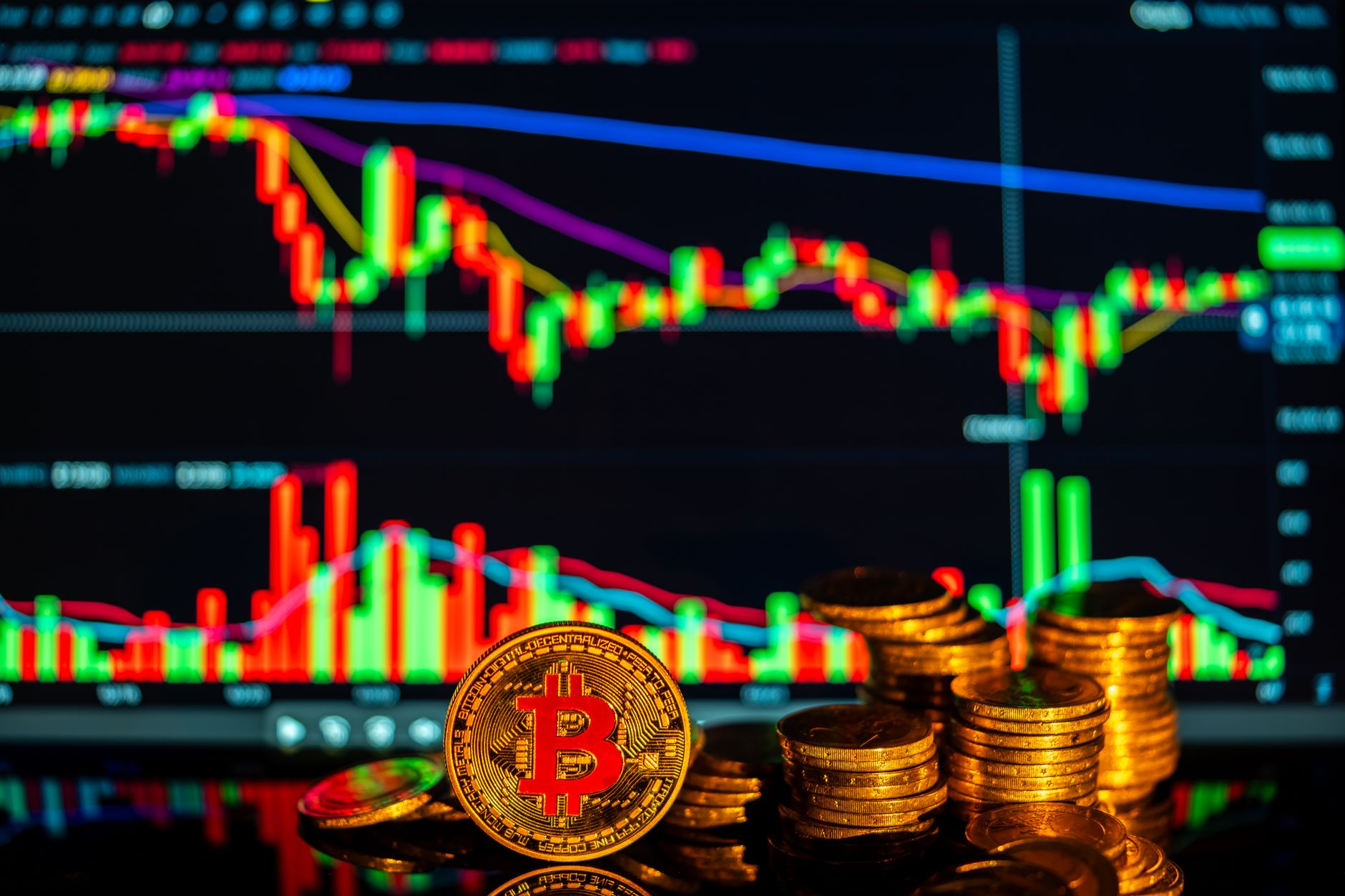

Deciding whether a Bitcoin exchange-traded fund is worth your capital requires weighing the ease of traditional brokerage access against the unique risks of digital assets. Bitcoin ETFs offer a regulated, liquid method to track cryptocurrency price movements without requiring self-custody, but they expose investors to extreme market volatility and fund-level management fees.
Understanding Bitcoin ETFs vs. Direct Ownership
For institutional and retail market participants, institutional interest in Bitcoin ETFs stems primarily from the desire for a familiar entry point. With a spot Bitcoin ETF, you buy shares in a fund that tracks the spot price of Bitcoin. This eliminates the technical hurdles of setting up digital wallets, managing private keys, and securing hardware devices.
However, buying a Bitcoin ETF is not the same as buying Bitcoin directly. When you purchase an ETF, you rely on the fund structure and authorized participants to track market value. You do not hold an asset that lives entirely outside of traditional financial systems. If your goal is to utilize Bitcoin as an alternative, non-sovereign hedge or store of value outside of Wall Street, direct ownership remains the mechanism to achieve that.
Furthermore, product structures vary. While spot ETFs track the immediate market price, a Bitcoin futures ETF list includes funds tracking Bitcoin futures contracts instead. These operate differently regarding performance tracking, roll yields, and regulatory mechanics, necessitating careful research before allocation.
Evaluating the Benefits and Risks
Before deploying capital into funds like the iShares Bitcoin Trust ETF or alternative offerings, you must evaluate both the operational advantages and the structural hazards.
The Primary Benefits:
- Accessibility: You can buy and sell shares with ease on a traditional stock market using an existing brokerage account.
- Tax Efficiency: These vehicles allow you to secure Bitcoin exposure in tax-advantaged retirement accounts, such as a Roth IRA.
- Simplified Accounting: Your digital asset exposure is cleanly integrated into standard brokerage statements, streamlining tax reporting.
The Core Risks:
- Extreme Volatility: Bitcoin's historical price fluctuations mean investors can face massive drawdowns exceeding 50%.
- Lack of Control: You forfeit direct utility, governance participation, and direct fallback utility if you only hold paper shares of a trust.
- Counterparty and Custodial Dependencies: Assets are generally held by specialized digital asset custodians like Coinbase Custody or backed by financial institutions like the Bank of New York Mellon, introducing external operational layers.
Comparing Popular ETF Options and Fees
When selecting a vehicle, fee structures and asset management credentials matter. Low-cost structures optimize long-term returns by minimizing ongoing overhead costs.
| ETF Product | Expense Ratio | Custodian Details |
|---|---|---|
| Grayscale Bitcoin Mini Trust ETF | 0.15% ($1.50 per $1,000 annually) | Coinbase Custody |
| iShares Bitcoin Trust ETF (IBIT) | Varies by prospectus guidelines | Institutional digital custody |
| Morgan Stanley Bitcoin Offerings | Competitive asset management fees | Coinbase and Bank of New York Mellon |
Choosing the right path depends entirely on your risk tolerance and investment thesis. If your strategy focuses on trading short-term price volatility without managing crypto infrastructure, a liquid ETF is a viable tool. Conversely, if your horizon requires long-term non-sovereign asset diversification, mastering direct ownership is the preferred approach.
Frequently Asked Questions
Are Bitcoin ETFs the same as owning actual Bitcoin?
No, when you buy a Bitcoin ETF, you are purchasing shares in a fund that tracks the price of Bitcoin rather than holding the underlying cryptocurrency itself. This means you do not need a crypto wallet, but you also lack direct control over the asset.
What are the main benefits of investing in a Bitcoin ETF?
Bitcoin ETFs offer a regulated, liquid, and straightforward way to gain exposure to cryptocurrency through traditional brokerage accounts. They also allow investors to hold Bitcoin exposure within tax-advantaged accounts like a Roth IRA while simplifying tax reporting.
Do Bitcoin ETFs charge management fees?
Yes, ETF providers charge management fees, known as expense ratios. For instance, options like the Grayscale Bitcoin Mini Trust ETF feature an expense ratio of 0.15%, costing $1.50 annually for every $1,000 invested.
References & Sources
- Bitcoin ETF List Data
- Is the iShares Bitcoin Trust ETF Worth the Gamble?
- 5 Best Bitcoin ETFs for 2026 and How to Invest | The Motley Fool
- Is the iShares Bitcoin Trust ETF Worth the Gamble?
- iShares Bitcoin Trust (IBIT) | Spot Bitcoin ETP | BlackRock
Editorial Note: This article was researched via verified live web sources and published on 2026-10-30. Questions or feedback? Contact the editorial staff at TrendsInNews.
Photo credit: Rafael Minguet Delgado / Pexels